How I Found Steady Returns in Experience Spending—No Luck Needed
What if your weekend getaway or concert ticket wasn’t just fun—but part of a smarter financial strategy? I used to see experience spending as pure cost, until I realized how it can align with stable returns. By shifting my mindset and using practical methods, I turned leisure into long-term value. It’s not about cutting out joy—it’s about making every dollar work smarter. This is how I did it, and how you can too—without risky bets or get-rich-quick schemes. The journey began not with a windfall or a stock tip, but with a simple question: can the things that bring me joy also support my financial well-being? The answer, it turns out, is a resounding yes—if approached with intention, discipline, and a clear framework for value.
The Hidden Cost of Fun (And Why It Matters)
For many, spending on experiences—dining out, weekend trips, concerts, theater shows—feels like a necessary indulgence. These moments enrich life, provide connection, and create lasting memories. Yet, beneath the surface, unchecked experience spending can quietly undermine financial stability. Unlike a car or appliance, which depreciates in measurable ways, the cost of experiences is often invisible. There’s no receipt tucked away as a reminder of value lost, no resale market to recoup even a fraction of the expense. The money is spent, the moment passes, and the financial impact lingers in reduced savings or increased credit card balances.
This isn’t to say such spending should be eliminated. In fact, cutting out joy in the name of frugality often backfires, leading to resentment and eventual overspending. The real issue lies in perception. When experiences are viewed solely as consumption, they appear as financial leaks. But when reframed as potential contributors to long-term stability, a shift occurs. The emotional return on a family vacation or a dinner with friends is undeniable. But what if the financial return could also be positive—not through profit, but through reduced stress, improved decision-making, and structured spending that supports overall financial health?
The first step is awareness. Tracking where experience dollars go reveals patterns. A monthly brunch with friends at $75 per outing becomes $900 a year. A single last-minute flight can cost more than a year’s gym membership. These aren’t frivolous expenses, but they do add up. The goal isn’t to stop spending—it’s to spend with purpose. By recognizing that experience spending is not inherently wasteful, but potentially strategic, individuals can begin to build systems that honor both their emotional needs and their financial goals.
Redefining Return: Stability Over Speed
When most people think of financial return, they imagine high-yield investments, stock market gains, or real estate appreciation. These are valid goals, but they often come with volatility. A 15% annual return sounds impressive—until a market correction wipes out half of it in a single quarter. True financial health, especially for those in their 30s to 50s managing households, careers, and long-term goals, depends less on peak performance and more on consistency. It’s not about how high the return can go, but how reliably it sustains.
This principle applies directly to experience spending. Instead of chasing the biggest thrill or the most luxurious getaway, the focus shifts to predictable, repeatable value. Consider a subscription to a local theater company. The upfront cost may be $300, but it includes eight performances—effectively $37.50 per show, compared to $60 when purchased individually. That’s a 37.5% reduction in per-unit cost. More importantly, it creates spending predictability. Budgeting becomes easier when large, variable expenses are converted into fixed, manageable installments.
Loyalty programs, when chosen wisely, offer another form of stable return. Airline miles earned through regular spending on a travel credit card can eventually fund a family trip. But the real benefit isn’t the free flight—it’s the discipline of earning rewards through planned spending rather than impulsive purchases. Similarly, restaurant memberships or bundled entertainment passes provide guaranteed savings over time. These are not get-rich-quick schemes, but slow, steady accumulations of value that compound quietly in the background. Over five years, these small advantages can add up to thousands of dollars in saved or redirected funds—funds that might otherwise have been lost to disorganized spending.
Stability also reduces emotional strain. When financial decisions are tied to unpredictable outcomes, stress increases. But when experience spending is integrated into a system that delivers consistent value, peace of mind follows. This is the essence of redefining return: not as a number on a balance sheet, but as a measure of control, predictability, and alignment with personal values.
The Pay-Now, Enjoy-Later Strategy
One of the most common financial pitfalls is impulse-driven experience spending. A friend invites you to a concert, tickets are $120, and before you know it, you’ve charged it—despite already being behind on savings goals. These moments feel spontaneous and joyful, but they often come with a hidden cost: future financial strain. I learned this through personal experience. For years, I treated vacations, dinners, and events as “treats” to be enjoyed in the moment, paid for later. The result? A cycle of excitement followed by anxiety, with credit card statements serving as monthly reminders of choices made without planning.
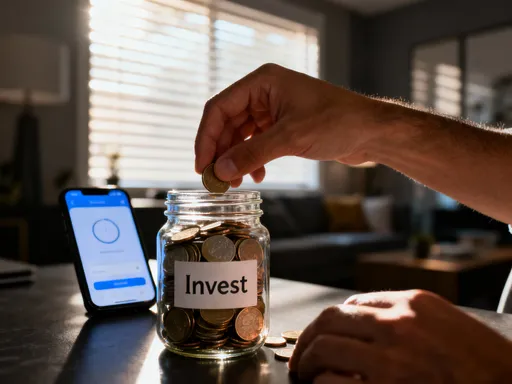
The turning point came when I adopted the pay-now, enjoy-later approach. Instead of waiting for an opportunity to arise, I began planning experiences months in advance. A summer trip to the coast? I started saving for it in January. A special birthday dinner? I allocated funds over six months. This method, known as anticipatory funding, transformed my relationship with spending. By setting aside small, fixed amounts each month—$50 here, $75 there—I built a dedicated pool of money for experiences. When the time came to enjoy, there was no stress, no debt, no compromise on other financial goals.
This strategy does more than prevent overspending—it enhances the experience itself. Knowing that a vacation was fully funded months in advance allowed me to relax and enjoy it more deeply. There was no nagging worry about how it would affect my budget. In fact, the anticipation became part of the joy. Studies in behavioral economics show that people often derive more happiness from the planning and anticipation of an experience than from the event itself. By structuring spending this way, I was not only protecting my finances but also increasing my emotional return.
Implementing this system requires discipline, but it’s not complicated. Start by listing the experiences you value most—annual trips, family gatherings, cultural events. Assign a realistic cost to each, then divide by the number of months until the event. Set up automatic transfers to a separate savings account labeled for experiences. Treat these transfers as non-negotiable, just like a utility bill. Over time, this creates a rhythm: save first, enjoy later, sleep peacefully. The result is a life rich in meaningful moments, fully funded and free from financial regret.
Leveraging Loyalty Without Falling for Hype
Loyalty programs are everywhere—airlines, hotels, restaurants, streaming services, even grocery stores. Many are designed to encourage overspending under the guise of rewards. “Earn points toward free flights!” they promise, while subtly pushing customers to spend more than they otherwise would. These programs can be traps, especially when the perceived value outweighs the actual benefit. I’ve fallen for this before—joining premium dining clubs that required $1,000 in annual spending for a $150 reward, or signing up for credit cards with high annual fees just to get a sign-up bonus.
But not all loyalty programs are created equal. Some offer genuine, predictable returns. The key is to distinguish between programs that extract value from you and those that return value to you. The best ones share common traits: transparency, low or no fees, flexible redemption options, and consistent benefits. For example, a restaurant loyalty program that gives a free entrée after ten visits—purchased at normal prices—is a real benefit. A hotel points system that allows stays at various locations without blackout dates is another. These are not flashy, but they are reliable.
I began evaluating programs using a simple framework: Does this align with spending I already do? Is the reward meaningful and easy to claim? Are there hidden costs or expiration dates? If a program required me to change my behavior just to earn rewards, I passed. But if it enhanced spending I was already committed to—like flying with a particular airline for work or dining at a local favorite—it made sense to join. Over time, I accumulated points that funded a family weekend getaway, upgraded hotel stays, and even covered a portion of a wedding anniversary dinner.
The real power of loyalty programs lies in compounding. Small, consistent rewards—5% back on dining, a free night every year—add up over time. Unlike speculative investments, these returns are certain, assuming you meet the basic requirements. And because they’re tied to spending you control, they don’t encourage excess. This is not about gaming the system; it’s about using available tools to reduce the effective cost of experiences. When done thoughtfully, loyalty programs become a quiet engine of financial efficiency, turning routine spending into long-term value.
Building a Personal Experience Portfolio
Just as a well-structured investment portfolio balances risk and return across asset classes, a personal experience portfolio can bring balance to leisure spending. I started by categorizing my experiences into types: local vs. travel, one-time vs. recurring, high-cost vs. low-cost. This simple act of classification revealed imbalances. I was spending heavily on spontaneous dinners and last-minute trips, while underinvesting in meaningful, planned events like family reunions or educational workshops.
So I applied financial principles to my leisure budget. I divided my annual experience fund into three segments: core, growth, and risk-controlled. The core segment included essential, high-value experiences—annual vacation, holiday gatherings, regular family dinners. These were non-negotiable and funded first. The growth segment covered new or enriching activities—cooking classes, museum memberships, weekend retreats focused on learning. These weren’t necessities, but they contributed to personal development and long-term satisfaction. The risk-controlled segment allowed for spontaneity—dinner out, a concert, a weekend getaway—but with a strict monthly cap.
This structure brought clarity. Instead of reacting to opportunities, I was proactively allocating resources. It prevented the common scenario of overspending on a fun but unplanned event, only to cancel a more meaningful trip later. It also made trade-offs visible. Choosing to attend a $200 concert meant delaying a $400 workshop—but now, that decision was intentional, not impulsive. Over time, this approach fostered a sense of control and alignment with my values.
A personal experience portfolio also supports financial resilience. By diversifying across types and costs, I reduced dependence on any single category. If travel became expensive due to fuel prices, I could shift more funds to local experiences without sacrificing joy. If income fluctuated, I could adjust the growth segment without touching the core. This flexibility is crucial for long-term stability. It turns experience spending from a source of stress into a tool for balance, ensuring that financial health and emotional well-being grow together.
When to Walk Away: Recognizing Financial Friction
Not every experience is worth the cost, no matter how appealing it seems. I learned this the hard way when I signed up for a luxury wellness retreat. The marketing was compelling—transformational healing, exclusive access, five-star accommodations. The price tag was steep: $3,500 plus travel. I justified it as an investment in myself. But after returning, I felt more anxious than renewed. The experience was beautiful, but the financial strain lingered. I had to delay other goals, dip into emergency savings, and spend months recovering financially.
That moment became a turning point. I realized that emotional spending—decisions driven by desire, pressure, or fear of missing out—often masquerades as self-care. The retreat didn’t align with my values or my financial rhythm. It was a one-off splurge that disrupted my stability. From then on, I adopted a simple filter before committing to any high-cost experience: Does this align with my values? Does it fit within my current financial plan? If the answer to either question was no, I walked away.
This doesn’t mean saying no to everything expensive or new. It means saying yes with intention. I now evaluate experiences not just by their immediate appeal, but by their long-term impact. Will this create lasting value? Does it support my family’s well-being? Can I afford it without sacrifice? Learning to delay gratification—choosing “not now” instead of “never”—has been one of the most empowering financial skills I’ve developed. It preserves options, reduces regret, and builds confidence in decision-making.
Financial friction—the discomfort that arises when spending conflicts with long-term goals—is a valuable signal. It’s not something to ignore or push through, but to listen to. When a purchase feels exciting but also stressful, it’s worth pausing. That tension often reveals a misalignment between desire and reality. By honoring this friction, I’ve avoided countless poor financial decisions and preserved both my savings and my peace of mind.
Stability Through Mindful Spending: A New Financial Rhythm
Looking back, the most significant change in my financial life wasn’t a raise, an inheritance, or a lucky investment. It was a shift in perspective. I stopped seeing experience spending as a threat to stability and began viewing it as a potential contributor to it. This didn’t happen overnight. It required trial, error, and a willingness to challenge long-held beliefs about money and joy. But the result has been profound: a life that feels richer not because I have more, but because I spend with clarity and purpose.
By planning ahead, choosing wisely, and measuring value beyond price, I’ve built a system that funds joy without sacrificing security. I still travel, dine out, attend events, and celebrate milestones. But now, these moments are supported by structure, not stress. I know where the money comes from, how it was earned, and what it means. This isn’t austerity—it’s intention. And in that space between impulse and insight, real financial peace begins.
The methods I’ve shared—anticipatory funding, loyalty optimization, portfolio diversification, and mindful evaluation—are not secrets. They are accessible to anyone willing to apply them consistently. They don’t promise overnight wealth, but they do deliver something more valuable: stability, control, and the freedom to enjoy life without financial fear. In a world full of noise and temptation, that is the ultimate return.