How I Tackle Daily Money Moves—Simple Investment Strategies That Actually Work
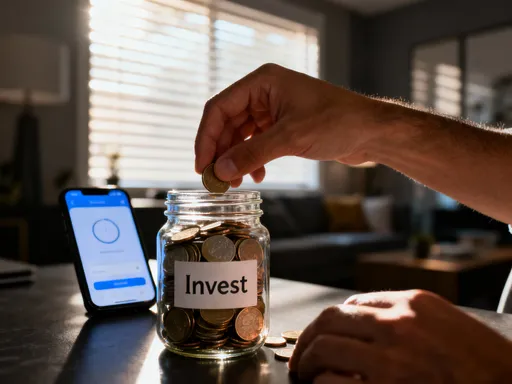
Managing money every day doesn’t have to be stressful. I used to feel overwhelmed, bouncing between budgets and bad decisions, until I found a smarter way. It’s not about big wins—it’s about consistency, small smart moves, and staying in control. This is how I build wealth steadily while protecting what I have. No hype, no get-rich-quick schemes—just real, practical strategies that fit real life. Over time, these daily habits have helped me grow my savings, reduce financial anxiety, and create a sense of stability that wasn’t there before. The truth is, wealth isn’t built in a day. It’s built through repetition, discipline, and choices that add up over months and years. And the best part? Anyone can do it, regardless of income level or financial background.
The Daily Money Trap: Why Most People Struggle to Invest
Many people believe that investing is something reserved for the end of the month, after bills are paid or when a bonus arrives. But in reality, the foundation of successful investing is laid every single day through seemingly minor financial decisions. These daily choices—what to buy, when to spend, how to react to a price hike or a sale—shape long-term financial outcomes more than most realize. The problem is not a lack of resources; it’s often a lack of awareness about how small habits compound over time. Emotional spending, procrastination, and the tendency to overcomplicate investment options keep many from taking the first step or staying consistent once they begin.
Consider the common scenario of skipping a daily coffee to save money. On its own, that $5 saved might seem insignificant. But when redirected into an investment account, it becomes part of a larger pattern. Multiply that choice by 20 workdays a month, and it becomes $100. Invested consistently over 20 years with modest growth, that routine could contribute thousands to a portfolio. The reverse is also true: small, repeated spending without intention can quietly erode financial stability. This is the daily money trap—the unnoticed drain of funds on wants disguised as needs, leading to a cycle of financial stress and delayed goals.
Another major obstacle is the perception that investing requires deep financial knowledge or large sums of money. This misconception causes hesitation and delays action. People wait for the “perfect” moment or enough capital to start, only to find that moment never comes. Meanwhile, inflation quietly reduces the value of cash sitting in low-interest accounts. The reality is that starting small is not only acceptable—it’s often the most effective way to begin. What matters most is not the size of the initial investment but the consistency of the behavior. By reframing daily financial decisions as opportunities to build rather than spend, individuals can shift from feeling trapped to feeling empowered.
Additionally, the modern environment is filled with distractions that make mindful money management difficult. Instant gratification is just a click away, and targeted advertising constantly nudges people toward spending. Social comparison, especially through digital platforms, can fuel unnecessary purchases in an attempt to keep up with others. These influences create mental fatigue, making it harder to focus on long-term goals. The key to breaking free from this cycle is recognizing these patterns and building systems that support better choices. Automation, for example, can bypass the need for daily willpower by making saving and investing automatic. Awareness is the first step; action is what turns insight into progress.
Start Where You Are: Building an Investment Mindset Daily
Investing begins not with money, but with mindset. The shift from thinking like a consumer to thinking like a builder is fundamental to long-term financial success. This transformation doesn’t happen overnight, but through daily reflection and intentional choices. It starts with asking simple but powerful questions: “Is this purchase adding value to my life, or is it a short-term fix?” or “Could this dollar be working for me instead of disappearing?” These questions reframe money not as something to be spent quickly, but as a tool for creating future security and opportunity.
One of the most effective ways to build this mindset is by tracking not just spending, but the emotions behind it. Many people spend impulsively when stressed, bored, or celebrating. Recognizing these triggers allows for better decision-making. For example, someone who tends to shop online after a long day might benefit from setting a 24-hour waiting period before making non-essential purchases. This pause creates space for reflection and reduces the likelihood of regret. Over time, these small acts of self-awareness build financial confidence and reduce reactive spending.
Another powerful practice is treating every dollar as a worker. Instead of viewing money as something that either gets spent or sits idle, consider how it can be put to productive use. Even small amounts can be assigned a purpose: a portion goes toward immediate needs, another toward future goals, and some toward investments. This approach fosters a sense of ownership and responsibility. It also helps align daily actions with long-term vision. When a person sees their money as an active participant in their life plan, they are more likely to make choices that support growth rather than depletion.
Consistency, not intensity, is the cornerstone of this mindset. It’s better to invest $10 every week without fail than to invest $500 once and then stop. Small, regular actions build momentum and create a sense of progress. Celebrating these small wins—like completing a month of consistent contributions or resisting an impulse buy—reinforces positive behavior. Over time, this builds a self-reinforcing cycle where responsible choices become automatic. The goal is not perfection, but persistence. By starting where they are, with whatever income they have, individuals can begin building wealth from the ground up, one thoughtful decision at a time.
The Power of Micro-Decisions: Turning Routines into Returns
Financial success often hinges on micro-decisions—small, routine choices that, when repeated, create significant outcomes. These decisions don’t require dramatic lifestyle changes, but they do require intention. One of the most effective micro-decisions is setting up automatic transfers from a checking account to an investment account. Even if the amount is small—$25 or $50 per week—the act of automating it removes the need for constant decision-making. This reduces friction and increases follow-through, turning saving and investing into a habit rather than a chore.
Another powerful tool is the use of round-up features offered by many financial platforms. These tools automatically invest the difference when a purchase is made. For example, if someone buys groceries for $14.75, the system rounds up to $15 and invests the $0.25 difference. Individually, these amounts seem negligible, but over time, they accumulate. Someone who makes ten purchases a week could easily invest an extra $2 to $5 without noticing. When compounded over years, these tiny contributions can grow into meaningful sums, especially when invested in low-cost index funds or diversified portfolios.
Idle cash in checking accounts is another area where micro-decisions can make a difference. Many people keep large balances in checking accounts for convenience, but these accounts typically earn little to no interest. By redirecting excess cash into high-yield savings accounts or short-term investment vehicles, individuals can put that money to work. The key is to maintain enough liquidity for daily needs while ensuring the rest is actively growing. This requires regular review and adjustment, but once a system is in place, it operates with minimal effort.
When it comes to investment options, there are generally two paths: passive and active. Passive investing, such as using robo-advisors, offers a hands-off approach. These platforms assess risk tolerance and automatically allocate funds across a diversified portfolio. They typically charge low fees and require little maintenance, making them ideal for beginners or those with limited time. On the other hand, self-directed investing allows for more control but demands more effort, research, and emotional discipline. The choice between them depends on individual preferences, time availability, and comfort with decision-making. Both approaches can be effective when used consistently and with a long-term perspective.
Real-life scenarios demonstrate the power of these micro-decisions. Consider a woman earning a modest income who starts investing $20 a week through automatic transfers and round-ups. After one year, she has invested $1,040. Over ten years, even with modest returns, that amount could grow significantly. If she increases her contributions slightly each year, the effect is even greater. The lesson is clear: it’s not the size of the action that matters most, but the regularity and intention behind it. By focusing on daily routines and small habits, anyone can begin to generate real financial returns.
Risk Control as a Daily Practice, Not a One-Time Choice
While growing wealth is important, protecting it is equally critical. Many people focus solely on returns, chasing high gains without considering the potential for loss. But true financial strength lies in balance—the ability to grow assets while minimizing unnecessary risk. Risk control should not be viewed as a one-time decision made when opening an investment account, but as an ongoing, daily practice woven into financial habits. This means consistently reviewing portfolio allocations, avoiding emotional reactions to market changes, and maintaining safeguards like emergency funds.
Diversification is one of the most effective risk control strategies. It involves spreading investments across different asset types—such as stocks, bonds, and real estate—to reduce exposure to any single source of loss. The goal is not to eliminate risk entirely, but to manage it wisely. A well-diversified portfolio is less likely to suffer catastrophic losses during market downturns. However, diversification does not mean overcomplicating a portfolio with too many holdings. Simplicity often works better, especially for individual investors. A few low-cost, broadly diversified funds can provide sufficient exposure without requiring constant monitoring.
Emotional discipline is another crucial aspect of daily risk management. Markets naturally fluctuate, and periods of decline are inevitable. Reacting impulsively by selling during a downturn can lock in losses and derail long-term plans. Instead, maintaining a steady course and avoiding knee-jerk decisions is essential. This requires preparation: understanding one’s risk tolerance, setting clear goals, and having a written plan to refer to during volatile times. When emotions run high, returning to that plan can provide clarity and prevent costly mistakes.
An emergency fund plays a vital role in risk control. Without one, unexpected expenses—like car repairs or medical bills—can force people to withdraw from investments at inopportune times. Ideally, this fund should cover three to six months of essential expenses and be kept in a liquid, low-risk account. Knowing this safety net exists reduces financial stress and allows for more confident investing. It also prevents the need to rely on high-interest debt during emergencies, which can quickly erode progress. Building an emergency fund doesn’t have to happen all at once; small, regular contributions can grow it over time.
Finally, regular portfolio reviews are a key part of ongoing risk management. Life circumstances change, and investment strategies should evolve accordingly. A review every six to twelve months helps ensure that asset allocation still aligns with goals and risk tolerance. It also provides an opportunity to rebalance—selling assets that have grown too large in proportion and buying those that have lagged. This disciplined approach keeps the portfolio on track and reinforces long-term stability. Risk control, when practiced daily through awareness and routine, becomes a quiet but powerful force in wealth building.
Tools That Fit Real Life: Practical Apps and Methods for Daily Tracking
Not all financial tools are created equal, and the best ones are those that fit seamlessly into daily life without requiring expert knowledge. The goal is to reduce friction, not add complexity. Many widely available platforms offer features that automate investing, track spending, and set financial goals. These tools can help individuals stay consistent, especially when motivation wanes. Key features to look for include goal-based saving, fee transparency, security protections, and ease of use. The right system should make managing money feel simple, not overwhelming.
Automation is one of the most valuable features these tools offer. Automatic transfers, recurring investments, and round-up functions remove the need for daily decision-making. This is especially helpful for people with busy schedules or those who struggle with consistency. When the system works in the background, it becomes easier to stay on track. Additionally, many platforms allow users to set specific goals—such as saving for a home, building an emergency fund, or funding retirement—and track progress toward them. Seeing visual progress can be motivating and reinforce positive behavior.
Fee transparency is another critical factor. Hidden fees can erode returns over time, so it’s important to understand what costs are involved. Look for platforms that clearly disclose management fees, transaction costs, and any other charges. Low-cost index funds and exchange-traded funds (ETFs) are often good options because they provide broad market exposure at a fraction of the cost of actively managed funds. Over decades, the difference in fees can amount to thousands of dollars in lost growth.
Security is also a top priority. Reputable platforms use encryption, multi-factor authentication, and other safeguards to protect user data and funds. It’s important to choose services with strong track records and regulatory oversight. While no system is entirely risk-free, using well-established, legitimate platforms minimizes exposure to fraud and technical failures. Customer support and educational resources can also enhance the experience, providing guidance when questions arise.
The best tools are those that encourage long-term engagement by making financial management accessible and stress-free. They don’t require users to become financial experts, but instead provide structure and support. By choosing systems that align with personal habits and goals, individuals can turn investing into a sustainable, everyday practice. The right tool won’t guarantee success, but it can significantly increase the odds of staying consistent and achieving financial objectives over time.
When Life Gets in the Way: Staying Consistent Through Changes
Life is unpredictable, and even the best financial plans can be disrupted by unexpected events. Job changes, medical issues, family responsibilities, or economic shifts can all impact income and expenses. During these times, it’s easy to abandon investment habits, but doing so can undermine long-term progress. The key is not to aim for perfection, but to maintain flexibility and resilience. This means adapting strategies to fit current circumstances without losing sight of long-term goals.
One effective approach is to scale contributions temporarily rather than stop altogether. For example, if someone faces a temporary income reduction, they might reduce their weekly investment from $50 to $20 instead of stopping. This keeps the habit alive and makes it easier to resume full contributions later. Even small amounts maintain the psychological connection to the goal and prevent the loss of momentum. When finances stabilize, contributions can be gradually increased again.
Rebalancing priorities is another important strategy. During tough times, it may be necessary to pause certain goals to focus on immediate needs. This doesn’t mean giving up on investing, but rather adjusting the focus. For instance, building an emergency fund might take precedence over retirement contributions for a short period. Once stability returns, the original plan can be reinstated. The ability to adapt without guilt or shame is crucial for long-term success.
Avoiding high-cost borrowing is essential during financial stress. Turning to credit cards or payday loans to cover expenses can create a cycle of debt that is difficult to escape. These options often come with high interest rates that can quickly outweigh any investment gains. Instead, exploring alternatives like payment plans, community resources, or temporary side income can provide relief without long-term consequences. Protecting credit health also supports future financial opportunities, such as qualifying for lower mortgage rates or favorable loan terms.
The tone during these periods should be supportive, not judgmental. Financial setbacks are normal, and everyone experiences them at some point. What matters is not the setback itself, but the response to it. Resilience comes from flexibility, not rigid adherence to a plan. By treating financial management as a dynamic process, individuals can navigate life’s challenges while still moving toward their goals. Consistency, even in small doses, builds confidence and creates a foundation for recovery and growth.
Building Wealth Like a Pro—Without Acting Like One
The final insight is this: professional-level results don’t require professional-level effort or expertise. Wealth is not built through dramatic stock picks or risky bets, but through ordinary actions repeated with discipline over time. The strategies discussed—daily awareness, mindset shifts, micro-decisions, risk control, smart tool use, and adaptability—are accessible to anyone, regardless of income or background. What sets successful investors apart is not their knowledge, but their consistency and patience.
The power of compounding is at the heart of this approach. When returns are reinvested, they generate their own returns over time. This effect accelerates with duration, making early and consistent contributions especially valuable. A person who starts investing in their 30s and continues steadily can accumulate substantial wealth by retirement, even without high earnings. The key is to start, stay the course, and let time do the heavy lifting.
Discipline in risk management ensures that progress isn’t undone by preventable losses. By diversifying, maintaining emergency funds, and avoiding emotional decisions, individuals protect their gains and create stability. Smart use of tools reduces effort and increases follow-through, turning financial management into a seamless part of daily life. And when life brings challenges, flexibility allows for adjustment without abandonment of goals.
In the end, building wealth is less about financial genius and more about daily choices. It’s about treating money with intention, respecting its potential, and making it work quietly in the background. These habits, practiced over years, create a life of greater security, freedom, and peace of mind. No shortcuts, no hype—just steady, thoughtful action. That’s how real wealth is built, one day at a time.