Cut My Home Chores Time in Half: The Smart Setup That Finally Gave Me Mornings Back
Remember those rushed mornings—forgetting to turn off the coffee maker, realizing the AC’s been running all night, or coming home to a cold house? I used to lose hours each week just managing little things. Then I redesigned how I interact with my home. Not with complicated tech, but with a smarter way of connecting everyday appliances. This isn’t about gadgets—it’s about getting time, peace, and energy back. And honestly? It changed everything. I’m not a tech expert, just a mom who wanted to stop feeling behind before the day even started. What I discovered wasn’t a miracle—it was a mindset shift. Instead of asking, ‘What can this device do?’ I started asking, ‘How can my home respond better to me?’ That one question reshaped everything.
The Morning That Changed Everything
It was a Tuesday—nothing special, just another packed day. My daughter had a school play at 10 a.m., and I promised I’d be there. But at 9:45, I was still at home, kneeling in front of the washing machine, trying to decipher a strange error code. The kids were already dressed. Lunchboxes were packed. But I couldn’t start the load, and I couldn’t leave it. I missed the first half of the play. When I finally arrived, my daughter saw me from the stage, smiled, and whispered, ‘You’re here now.’ But I wasn’t really. I was still stuck in my head, replaying the morning, angry at myself for being so disorganized.
That moment hit me hard. I wasn’t lazy. I wasn’t careless. I was just overwhelmed by the constant little decisions and fixes that come with running a home. I had smart devices—yes, a Wi-Fi thermostat, voice-controlled lights, even a robot vacuum—but they weren’t working together. They were like a team of employees who never talk to each other. I was the manager, the translator, the one constantly putting out fires. I realized I wasn’t using technology to simplify my life—I was using it to complicate it.
So I made a decision: no more treating each device as a separate project. No more downloading another app just to turn on a lamp. I wanted my home to respond to me, not the other way around. I didn’t need more gadgets. I needed better coordination. And that’s when I discovered the real power of smart home technology—not in the devices themselves, but in how they work together.
From Chaos to Calm: Rethinking Appliance Management
I started paying attention—not to the tech, but to my day. When did I walk in the door? When did the kids get home from school? What lights stayed on too long? What tasks pulled me away from what really mattered? I kept a simple notebook for a week and was shocked by what I found. Most of my stress came from delayed reactions: the oven finishing too early, the laundry cycle ending at 3 p.m. when I wasn’t home, the AC blasting all night because I forgot to adjust it.
Smart devices promised control, but what I got was more noise—notifications, alerts, reminders. My phone buzzed constantly: ‘Dishwasher complete.’ ‘Front door unlocked.’ ‘Temperature dropped.’ I wasn’t feeling in control—I felt like I was being scolded by my own house. The problem wasn’t the devices. It was how I was using them. I was still managing each one individually, like a switchboard operator from the 1950s. I wasn’t letting them talk to each other. I wasn’t giving them context.
So I shifted my focus. Instead of asking, ‘How do I turn this on?’ I started asking, ‘How can this turn on at the right time, without me?’ That meant moving from manual control to automated response. I didn’t want to tell my house what to do every single time. I wanted it to understand my rhythm. I wanted it to act before I asked. That’s when I discovered routines—pre-set sequences that link multiple devices based on a single trigger. And that changed everything.
The Power of One Trigger, Multiple Actions
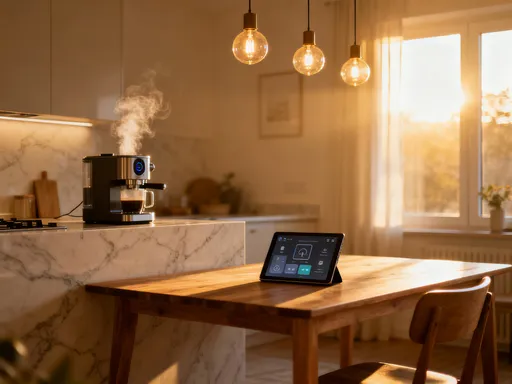
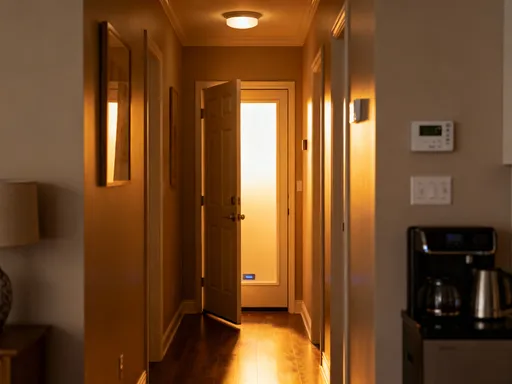
My first routine was simple: when I unlock the front door, three things happen. The hallway light turns on. The thermostat adjusts to my preferred temperature. And the coffee maker starts warming up. That’s it. No apps. No voice commands. No walking from room to room. Just one action—unlocking the door—and the house responds.
I’ll never forget the first time it worked. It was a rainy morning. I came in, hands full, shoes soaked, and the light was already on. The house felt warm. I could smell coffee brewing. I didn’t have to do anything. I just walked in and felt… welcome. That’s when it hit me: this wasn’t about convenience. It was about care. My home wasn’t just a place. It was starting to feel like it cared about me.
The secret? I stopped using individual apps. Instead, I set up everything through one central system—a smart home hub that connects all my devices. I use a popular brand that works with most appliances, so I didn’t have to replace everything. I just made them work together. Now, I have routines for coming home, leaving, waking up, and going to bed. Each one is triggered by time, location, or a single action. And because the system learns my patterns, it adjusts. If I come home late, it doesn’t turn on the lights at full brightness. It knows to be gentle.
This isn’t magic. It’s logic. But it feels like magic when you walk into a warm, lit house after a long day. And the best part? It didn’t take weeks to set up. I did the first routine in under 20 minutes. Now, I spend less than an hour a month checking or adjusting things. The rest of the time, my home just… works.
Making the Kitchen Work for Me, Not the Other Way Around
The kitchen used to be my stress zone. I’d start dinner, forget the rice, overcook the chicken, and burn the garlic. I’d run back and forth—checking the oven, adjusting the fan, turning on the counter light. By the time dinner was ready, I was exhausted. And the kids would say, ‘Mom, you’re always in the kitchen.’ I didn’t want to be. I just wanted dinner to be ready when I needed it.
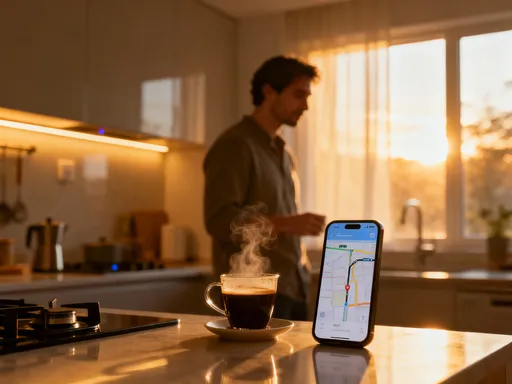
So I created a ‘Cooking Mode.’ With one tap on my phone or a voice command, four things happen: the exhaust fan turns on, the under-cabinet lights brighten, the smart stove preheats to the right temperature, and the rice cooker starts. I set it up so the stove heats up just 10 minutes before I start cooking—no wasted energy. The lights adjust based on the time of day, so they’re not too harsh in the evening. And my phone gives me a five-minute warning before everything is done.
Now, I’m not chained to the kitchen. I can help with homework, fold laundry, or just sit and talk while dinner prepares itself. I’m still involved, but I’m not constantly monitoring. I’m present when it matters. And dinner? It’s better. No more burnt garlic. No more dry chicken. Just perfectly timed meals that don’t cost me my evening.
I also set up a ‘Clean-Up Mode’ that turns on after dinner. The dishwasher starts its quiet cycle, the lights dim, and the air purifier kicks in to clear cooking smells. I don’t have to remember a thing. The house knows it’s time to wind down. And honestly, that small shift—from chaos to calm in the kitchen—has made family dinners something I look forward to again.
Quiet Nights, Smarter Sleep
My bedtime routine used to take 20 minutes. I’d walk through every room, checking lights, locking doors, adjusting the thermostat. I’d forget something, go back, forget something else. By the time I got to bed, I was too wound up to sleep. And if I left the AC on all night, my electric bill would spike. If I turned it off, I’d wake up sweating. It was a constant trade-off between comfort and cost.
Now, I say, ‘Good night,’ and everything happens at once. The lights shut off, the doors lock, the thermostat lowers to my ideal sleeping temperature, and the air purifier turns on. I also set it so the bedroom fan runs for 30 minutes, then shuts off—just enough to cool the room without making it too cold. And if I stay up late on a weekend, the system knows. It waits. It doesn’t lock the doors at 10 p.m. just because that’s what I usually do.
The biggest surprise? My sleep improved. Not because of the tech, but because of the ritual. Saying ‘Good night’ to my home has become a signal to myself that the day is over. It’s like a soft pause button. I’m not rushing. I’m not thinking about what I forgot. I’m just letting go. And that mental shift—from doing to being—has made a bigger difference than I ever expected.
I also set up a ‘Wake-Up Mode’ that starts before my alarm. At 6:30 a.m., the bedroom lights slowly brighten, like sunrise. The thermostat warms the house slightly. And the coffee maker starts. I don’t need to touch my phone. I wake up to a home that’s already awake—with me, not ahead of me. That small comfort has made mornings less stressful and more peaceful.
Teaching the Kids to Trust the System (Without the Drama)
Getting my family on board wasn’t easy. My son rolled his eyes when I first tried voice commands. ‘Mom, that’s so weird,’ he said. My daughter kept turning off the automation because she liked doing things ‘the old way.’ I realized that if they didn’t feel part of it, they wouldn’t respect it. So I made it fun.
I let my daughter name the routines. ‘Movie Night’ turns on the living room lights at 50%, starts the air purifier, and sets the thermostat to ‘cozy.’ She picked a soft chime sound for it. ‘Homework Mode’ dims the kitchen lights and turns on a focus playlist. My son helped set up ‘Game Time,’ which turns off non-essential lights and silences notifications. They weren’t just users—they became designers.
Now, they’re the ones reminding me. ‘Mom, did you turn on Movie Night?’ Or, ‘The house knows it’s Saturday—why are the lights so bright?’ They’ve started to trust the system because they helped build it. And that’s made all the difference. It’s not just my smart home. It’s *our* smart home. And that sense of shared ownership has made everyone more respectful of the routines—and of each other’s time.
I also taught them how to make small changes. If they want the lights brighter for a project, they can adjust it through the app or voice. But they know the routine will reset at the right time. It’s not about control—it’s about cooperation. And that’s a lesson that goes beyond the tech.
The Real Reward: Time, Energy, and Presence
After six months of using this system, I did the math. I’ve reclaimed nearly 10 hours a week. Not because I’m doing more. Because I’m doing less—less checking, less adjusting, less remembering. Those small moments—walking to the thermostat, unlocking the door, turning off lights—added up. Now, that time is mine. I use it to read, to call a friend, to sit quietly with a cup of tea. I’m not rushing. I’m not distracted. I’m just… here.
The biggest change isn’t in my home. It’s in how I feel. I’m calmer. More patient. More present with my kids. I’m not multitasking during dinner. I’m not checking my phone to see if the oven is off. I’m in the moment, because I don’t have to be in ten places at once. My home is holding space for me.
People ask me, ‘Isn’t it expensive?’ It doesn’t have to be. I started with what I had. I didn’t buy a new fridge or a high-end hub. I just connected the devices I already owned. Some were older models, but they still worked with the system. I spent less than $150 in total—mostly on smart plugs and a few bulbs. The rest was setup time. And the return? Priceless.
This isn’t about having the fanciest gadgets. It’s about designing a home that supports your life, not steals from it. It’s about creating moments of peace in a busy world. It’s about feeling cared for, even on the hardest days. When I walk into a warm, lit house, I don’t just feel relief. I feel seen. And that, more than anything, is what I wanted all along.