More Than Alerts: How a Simple App Brought Our Family Closer
Family gatherings used to feel stressful—forgetting anniversaries, missing special moments, scrambling to plan. Then I found a quiet little tool that changed everything. It didn’t just send reminders; it helped us reconnect. No flashy features, no complicated setup. Just gentle nudges that turned forgotten dates into cherished traditions. This is how technology, when used right, doesn’t distract—it deepens what matters most. And if you’ve ever looked at your phone the morning of Mother’s Day and realized you forgot to call, you already know how powerful a small moment can be.
The Anniversary That Slipped Through the Cracks
I still remember the silence on the other end of the phone. My mother had called, her voice light at first, asking how my week was going. Then, almost casually, she mentioned that it had been ten years since my parents renewed their vows. “We had a little dinner,” she said. “Just the two of us.” There was no blame in her tone, but I felt the weight of it anyway. I hadn’t known. Not because I didn’t care—I loved my parents deeply—but because life had gotten loud. Between school pickups, work deadlines, and the endless to-do list, that date had simply vanished from my mind.
And it wasn’t just that one moment. Over the years, I’d missed my niece’s dance recital, forgotten my brother’s graduation anniversary, and sent a birthday card three days late—again. Each time, it wasn’t a big crisis, but a small sting. A quiet erosion of connection. I began to realize that family milestones weren’t just dates on a calendar. They were emotional anchors—tiny promises we make to say, “I see you. I remember you. You matter.” When we miss them, it doesn’t just hurt the person being forgotten; it weakens the whole fabric of our relationships.
What surprised me most was how guilty I felt. Not because I was a bad daughter or sister, but because I wanted to be better. I wanted to show up, not just physically, but emotionally. I wanted my family to feel celebrated, not just tolerated. But how could I keep track of everything? My memory wasn’t failing me—it was just no match for the pace of modern life. That’s when I started wondering: what if there was a way for technology to help me care more, not less?
Searching for a Better Way to Remember
At first, I tried the usual fixes. I stuck sticky notes on the fridge—“Call Aunt Linda!”—only to find them faded and ignored by the end of the week. I set calendar alerts, but they always seemed to pop up too late. “Mom’s birthday—today!” was not the message I wanted to see at 7 a.m. with no gift in sight. I even tried keeping a mental list, but by Wednesday, I could barely remember what I’d had for breakfast, let alone my cousin’s daughter’s baptism date.
The problem wasn’t just forgetfulness. It was that these tools felt cold. A blinking alert didn’t carry the warmth of a shared memory. It didn’t remind me of the way my dad laughed when he danced at his wedding, or how my sister used to braid my hair before school. They reduced something deeply personal to a task—like paying a bill or scheduling a dentist appointment. I didn’t want efficiency. I wanted meaning.
Then, one rainy afternoon, I stumbled on an app recommended in a parenting forum. It wasn’t marketed as a productivity tool. Instead, the description said something like, “For families who want to remember what matters.” That caught my attention. I downloaded it that night. The interface was simple—soft colors, real photos instead of icons, and a welcome message that said, “Let’s make sure no one feels forgotten.” No jargon. No complicated setup. Just a quiet invitation to care.
What struck me most was how human it felt. When I added my parents’ vow renewal date, the app didn’t just log it. It asked, “Would you like to add a photo from that day?” I uploaded one of them holding hands under the willow tree, both smiling like teenagers. Suddenly, the date wasn’t just a reminder. It was a memory. And that made all the difference.
How the App Quietly Changed Our Routines
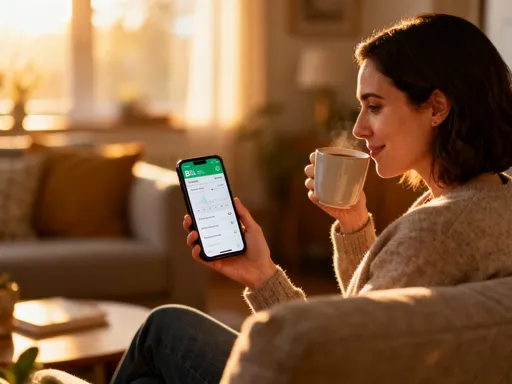
At first, I used the app just for myself. I added a few key dates—birthdays, anniversaries, even my dog’s “Gotcha Day.” But within days, it started changing how I moved through my mornings. Instead of checking the news or social media, I began opening the app with my coffee. It showed me a gentle preview: “In three days: Mom’s garden club anniversary. She planted the roses that year.” It wasn’t demanding. It was inviting.
What I didn’t expect was how it reduced my mental load. Before, the thought of planning something for a family event would send me into decision paralysis. “Should I buy a card? Make a call? Send flowers? Is it a big deal this year?” Now, the app offered soft suggestions—“Send a voice note,” “Share a photo from last year,” “Plan a 10-minute call.” Nothing extravagant. Just doable, heartfelt gestures. And because they came early, I had time to think, to feel, to act with intention.
My favorite feature? The “memory preview.” A week before my nephew’s birthday, the app showed a photo from his first birthday—him covered in cake, giggling. It asked, “Want to send this to your sister with a note?” I did. She texted back, “I cried. He’s going to love seeing this.” That small moment didn’t cost me time or money. It cost me attention—and that’s exactly what mattered.
The app didn’t take over my life. It fit into it. I still made the choices. I still wrote the cards and picked the calls. But it gave me the space to do it well. It was like having a thoughtful friend whispering, “Hey, don’t forget—this person means a lot to you.” And slowly, that whisper started shaping my days in the best way.
Turning Reminders Into Real Moments
The first real test came on my grandmother’s 85th birthday. She lives three hours away, and we usually visit in person. But that year, travel was tight, and I wasn’t sure we could make it. The app had been nudging me for days: “Grandma’s birthday—2 days away. Last year, you sent a video. She played it twice.” I remembered how her face lit up when she saw my kids waving at the camera.
So I gathered the family one evening. “Let’s make a little video,” I said. My kids drew pictures, my husband played her favorite hymn on the piano, and we all said a few words. We uploaded it through the app, which sent it directly to her tablet. Later that night, my mom called. “Mom watched it three times,” she said. “She kept saying, ‘They remembered. They really remembered.’”
That moment changed something in me. It wasn’t about the video. It was about the fact that a simple alert had created space for love to show up. Because the reminder came early, I wasn’t rushing. I wasn’t stressed. I had time to involve the kids, to choose the music, to speak from the heart. The app didn’t create the moment—but it made it possible.
Another time, it reminded me of my sister’s college graduation anniversary. I hadn’t thought about it in years. On a whim, I dug up an old photo of us at her ceremony—me in a wrinkled dress, her in her cap and gown, both of us grinning. I sent it with a note: “Proud of you then, proud of you now.” She called me the next day. “I was having a rough morning,” she said. “That message was the one good thing.”
These weren’t grand gestures. They didn’t require planning a party or spending money. But they carried weight because they were personal. And that’s the magic: the app didn’t replace my care. It amplified it. It turned “I should remember” into “I get to remember”—and that shift made all the difference.
Bridging Distances Without Demanding Time
One of the hardest parts of family life today is distance. My brother moved to Seattle. My cousin’s in London. We’re all busy, in different time zones, trying to stay connected without adding to the noise. Group chats help, but they’re messy. Important dates get buried under memes and grocery lists. And no one wants another notification that says, “You have 47 new messages.”
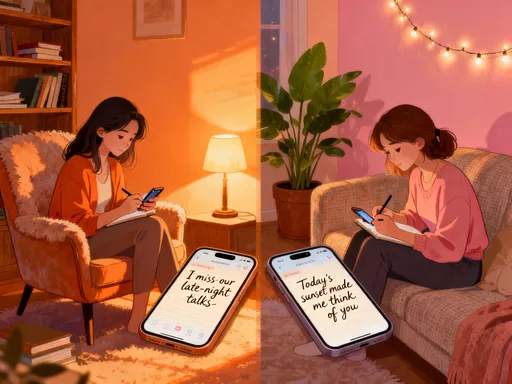
The app solved this with quiet sync. When I added a family event—like my parents’ anniversary—everyone in the family circle got a gentle heads-up, but only if they opted in. No spam. No pressure. Just a soft chime and a message: “Family dinner for Mom and Dad’s anniversary—June 14. Want to join?”
What I love is how it supports collaboration without chaos. We can all add ideas—“Bring the photo album,” “Play their song,” “Someone bring dessert”—but it’s not a free-for-all. The app organizes it, so no one feels overwhelmed. And because it’s not a chat, there’s no pressure to respond immediately. You can read, reflect, and contribute when it feels right.
For my aunt, who’s not tech-savvy, I set up a simple version on her tablet. She gets a daily reminder at 10 a.m.: “Today’s family moment: Call your granddaughter.” She taps it, and the app dials the number. No fuss. No confusion. She told me, “It feels like someone’s looking out for me.” And in a way, we are—just through a little help from technology.
The result? Fewer missed moments. Fewer “I thought you were calling!” misunderstandings. More coordination, less stress. And most importantly, more emotional presence. We’re not just connected—we’re *meaningfully* connected.
Technology That Serves the Heart, Not the Clock
What makes this app different isn’t what it does—it’s how it feels. Most tech tools are built for speed, for output, for checking things off. This one is built for care. The notifications are soft, not jarring. The tone is warm, not robotic. You can add voice notes, old photos, even scanned letters. It remembers the little things—like how your mom always likes lilies on her birthday, or how your nephew still calls your dog “Mr. Wiggles.”
And here’s the part I didn’t expect: it respects boundaries. You don’t have to share everything. You can choose who sees what. My teenage niece uses it to remember her friends’ birthdays, but keeps her family circle small. That’s okay. The app doesn’t force connection. It invites it.
I’ve started to think of it as “invisible tech”—the kind that works so well you almost forget it’s there. Like a well-placed lamp in a room, it doesn’t draw attention to itself. It just makes everything else easier to see. It doesn’t replace our love. It just helps it show up more consistently.
In a world that often feels rushed and shallow, this app reminds me that love lives in the details. It’s not about grand declarations. It’s about showing up, again and again, in small ways. And sometimes, the best way to do that is with a little help from a tool that remembers so I can focus on caring.
A Simpler, More Connected Family Life
It’s been over a year since I started using the app, and the changes are deeper than I expected. We miss fewer dates. We laugh more during calls. We’ve started new traditions—like sharing a “memory of the month” at dinner. My kids now ask, “Did the app remind you about Grandma’s day?” as if it’s part of the family.
The biggest shift? Trust. When people feel remembered, they feel safe. They open up. My mom shares more now. My brother calls just to chat. These aren’t dramatic changes—they’re quiet, steady signs of closeness growing over time. And it all started with a simple reminder.
If you’re thinking about trying something like this, here’s what helped me: start small. Add just two or three important dates. Invite one or two family members—maybe your partner or a sibling. Let them explore at their own pace. Don’t force it. Customize it with photos, notes, little inside jokes. Make it feel like *yours*.
And don’t worry about perfection. Some days, I still forget to send a message. Some events pass quietly. That’s okay. This isn’t about being flawless. It’s about being faithful—to the people you love, to the moments that matter. The app doesn’t fix everything. But it helps me show up more often, more thoughtfully, more wholeheartedly.
At the end of the day, technology doesn’t have to pull us apart. Used with care, it can draw us closer. It can help us remember what really matters—not because we have to, but because we want to. And in a busy, noisy world, that might be the most powerful thing of all.