More than Notes: How Family Apps Transformed Our Friend Gatherings and Everyday Shopping
You know that moment when you’re at the grocery store, staring at your phone, trying to remember who needed what for the weekend potluck? Or when your best friend says, “Didn’t I text you about the wine?”—but it’s buried somewhere in a chat from three days ago? I’ve been there. More than once. But everything changed when we started using family note apps—not just for households, but for our circle of close friends. It wasn’t about tech. It was about finally staying connected, organized, and present—without the stress. What began as a simple fix for forgotten ingredients turned into something deeper: a new rhythm in our friendships, one where we could care for each other more easily, show up with confidence, and actually enjoy the moments we’d worked so hard to plan.
The Messy Reality of Planning Gatherings with Friends
Let’s be honest—planning anything with a group of friends used to feel like herding cats. We all meant well, but our methods were outdated and chaotic. Back in the day, everything ran through group texts. You know the kind: a jumbled mix of emojis, half-finished thoughts, and voice messages no one could listen to in a crowded office. One friend would suggest a date, another would counter with a conflict, someone else would jump in with a venue idea, and before you knew it, the whole thread was lost under a grocery receipt someone accidentally forwarded. I once spent twenty minutes scrolling back just to confirm if we were doing brunch at 10 or 11. Spoiler: no one else remembered either.
And then there were the shopping lists. Oh, the shopping lists. We’d try to coordinate for a shared dinner or holiday party, and somehow, three of us would end up buying soy sauce. Meanwhile, the one thing the host actually needed—the extra-long paper towels—was mysteriously absent. I remember standing in the kitchen after a birthday gathering, looking at five bottles of olive oil on the counter and realizing no one had brought dessert. The host, bless her heart, had been too polite to say anything, but you could see the quiet exhaustion behind her smile. It wasn’t just about the items; it was about the emotional weight of feeling uncoordinated, like we were letting each other down without meaning to.
What made it worse was how these small oversights added up. Someone would forget the ice, another would miss the message about dietary restrictions, and the person hosting would end up doing last-minute runs to the store while everyone else was already settling in. The joy of gathering got overshadowed by the scramble. We all wanted to contribute, but the tools we were using made it harder than it needed to be. It wasn’t laziness—it was a system failure. We were trying to manage modern lives with pre-smartphone habits, and it was starting to show. The stress wasn’t just about logistics; it seeped into our friendships. You’d notice a friend becoming quieter in the group, maybe pulling back because they were tired of the chaos. I know I did. I started dreading the planning phase more than I looked forward to the event itself. Something had to change.
Discovering Family Note Apps—A Tool We Never Knew We Needed
The shift started with Sarah. You know that friend who somehow manages to have dinner on the table, kids in clean clothes, and still remembers your birthday? That’s Sarah. She’s not magic—she just found a better way. One day, after yet another miscommunication about wine quantities for a dinner party, she said, “I use this app at home for grocery lists and reminders. Why don’t we try it for our group?” I’ll admit, I rolled my eyes a little. Another app? My phone was already cluttered with things I barely used. But Sarah was persistent in the sweetest way. “It’s not about being techy,” she said. “It’s about not losing track of what matters.”
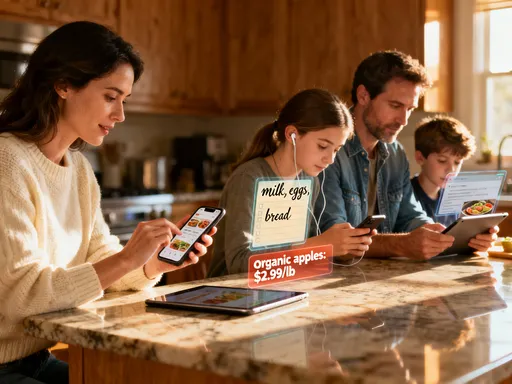
So we gave it a try. The app she showed us was simple—no flashy graphics or complicated menus. Just a shared space where we could all add notes, check off items, and leave little messages. Think of it like a digital fridge door, but one everyone in the group could see and touch. We created a shared board for our next gathering, and just like that, the shopping list lived in one place. No more scrolling through texts. No more guessing who said what. If someone added an item, we all saw it. If someone bought it, they checked it off. And if someone had a question—like, “Is the dip gluten-free?”—they could just comment right there.
What surprised me most was how natural it felt. I expected it to be clunky, like trying to force a square peg into a round hole. But it wasn’t. The app didn’t demand anything from us. We didn’t need to learn new skills or change our routines drastically. We just started using it like we used to use a shared notebook or a whiteboard—except this one didn’t get erased by accident and could be accessed from the grocery store at 7 a.m. on a Saturday. It wasn’t about replacing conversation; it was about making our conversations more effective. And the best part? No one had to be the “manager.” The app quietly took on that role, so we could all just be friends.
Turning Chaos into Coordination: Our First Shared Shopping List
Our first real test was Sarah’s birthday dinner. Six of us were contributing, and in the past, that would’ve meant at least three overlapping grocery trips and someone inevitably showing up with two extra bottles of sparkling water and zero candles. This time, we opened the app and built the list together. One person added the main ingredients for the salad. Another put in the wine and cheese. I remembered the dessert plates and typed them in while I was folding laundry. By the end of the day, the list was complete—organized, clear, and visible to everyone.
The real magic happened at the store. Instead of calling each other to confirm what was left, we just opened the app. When I checked off “baguette,” the others saw it instantly. When Maria added “candles—forgot we need them!” at 6 p.m., we could all see it and someone heading out later grabbed them without a single text being sent. No more double-buying, no more last-minute panic. I remember standing in the baking aisle, phone in one hand, olive oil in the other, smiling because for the first time, I wasn’t stressed. I wasn’t trying to remember who said what. I wasn’t worried about letting anyone down. I was just… shopping. And that small shift made all the difference.
But it wasn’t just about efficiency. The app became a quiet space for connection, too. We started leaving little notes: “Found organic strawberries on sale!” or “Using my mom’s dressing recipe—hope you like it!” One friend even added a photo of a beautiful loaf of sourdough she found, just because she knew we’d appreciate it. These weren’t formal updates—they were the kinds of things we’d say if we were shopping together, but now, we could share them even when we weren’t. The app didn’t replace our conversations; it extended them. And by the time we all arrived at Sarah’s with our bags and bottles, the energy was different. We weren’t tired from miscommunication. We were excited, present, and already connected.
Beyond the Grocery List: Building Connection Through Shared Notes
What started as a shopping tool slowly became something more—a digital scrapbook of our friendship. We began using the app for more than just lists. We shared photos from our weekends, posted little reminders (“Don’t forget Jane’s book club is tomorrow!”), and even planned surprise birthday decorations without the birthday person catching on. The app became our shared memory keeper, the place where our lives touched each other in small but meaningful ways.
One winter, when one of our friends was going through a tough time, we started leaving encouraging notes. Nothing grand—just little things like “Thinking of you today” or “Saw these tulips and knew you’d smile.” We didn’t make a big deal out of it. We just used the space we already had to show care. And it worked. She told us later how much it meant to see those messages pop up when she was feeling low. “It didn’t fix everything,” she said, “but it reminded me I wasn’t alone.” That’s when I realized the app wasn’t just organizing our groceries—it was helping us organize our care for each other.
We also started using it to plan surprises. For Lisa’s 50th, we coordinated a whole tribute—photos, favorite quotes, a playlist—using the app to divide tasks and track progress. No one spilled the secret, and when we presented it at dinner, the look on her face was priceless. The app didn’t create the love behind the gesture, but it gave us a quiet, reliable way to bring it to life. It was like having a backstage pass to each other’s lives, where we could prepare moments of joy without the pressure of perfection. And the best part? We didn’t need to be in the same room to do it. We could contribute in small ways, at our own pace, and still be part of something big.
How the App Changed the Way We Gather
The most unexpected benefit was how it changed the quality of our time together. When we finally sat down for dinner, we weren’t distracted by logistics. We weren’t mentally running through checklists or wondering if someone was stuck at the store. We were just… there. Present. Laughing. Listening. The mental load had been lifted, and in its place was space—space for real conversation, for spontaneity, for joy.
I remember one evening when we were supposed to talk about vacation plans, but instead, we ended up sharing stories from our childhoods for two hours. No agenda, no pressure. Just connection. That wouldn’t have happened if we’d still been managing a chaotic group chat or stressing over forgotten ingredients. The app didn’t just save us time—it gave us back presence. It allowed us to show up as ourselves, not as organizers or problem-solvers, but as friends.
There’s a quiet beauty in that. In a world that often feels rushed and fragmented, being able to gather without friction is its own kind of luxury. We didn’t need to plan less; we just needed to plan better. And when the details are handled, what’s left is the heart of the matter: each other. The app didn’t replace our friendships—it deepened them. It removed the noise so we could hear the things that really mattered.
Making It Work for Any Friend Group: Simple Tips We Learned
Now, I know not every group is ready to jump into a new app. Some of us are more comfortable with pen and paper. Others worry about privacy or just don’t want another thing to manage. That’s okay. The key is to start small and keep it simple. When we introduced it to a newer friend group, we didn’t make it a big announcement. We just said, “We’re using this to keep track of the potluck—want to join the list?” No pressure. No tutorial. Just an invitation.
We also learned to pick tools that are easy to use. You don’t need the fanciest app—just one that lets you share a list and check things off. Look for ones with clean layouts, minimal steps, and the ability to add photos or notes. And don’t overcomplicate it. Start with one event. One list. See how it feels. If someone prefers to text their items, that’s fine—just have one person add them to the list. The goal isn’t perfection; it’s ease.
Setting gentle norms helps too. We agreed that no one had to respond instantly, and no one would be called out for forgetting. The app is a helper, not a boss. We also respect that some people don’t want to be on every board, and that’s okay. They can join only the ones that matter to them. The point is to include, not to overwhelm. And if someone leaves the app after a while? No hard feelings. It’s not about forcing change—it’s about offering a better way and letting people find their own rhythm.
A New Kind of Togetherness—Simple Tech, Real Impact
Looking back, I realize we weren’t just solving a shopping problem. We were rebuilding the way we care for each other in the small, everyday ways. That’s the quiet power of simple technology—not the flashy gadgets or the latest trends, but the tools that help us live more gently, more thoughtfully, more together. The app didn’t create our friendship, but it gave us a better way to live it.
It’s easy to think of technology as something that pulls us apart—stealing our attention, replacing real talk with digital noise. But this experience reminded me that tech can also bring us closer, when it’s used with intention. It can carry our care, hold our memories, and make space for joy. It’s not about replacing human connection; it’s about supporting it. And sometimes, the smallest tools make the biggest difference.
So if you’re still juggling texts, sticky notes, and half-remembered promises, I’ll leave you with this: try one shared list. Just one. See how it feels to have everything in one place. See how it changes the energy of your next gathering. You might be surprised by how much lighter it feels to show up when you’re not carrying the weight of disorganization. Because in the end, it’s not about the app. It’s about what it lets you do—love better, laugh more, and be there, fully, for the people who matter most.