Why Are You Still Fumbling Through Mornings When Your Phone Could Have Your Back?
You know that frantic rush—searching for tickets, double-checking routes, wondering if you packed the right documents. Mornings can feel like a puzzle with missing pieces. But what if your phone didn’t just wake you up, but actually prepared you? With the right habits, your everyday tech can quietly organize your travel life, turning chaos into calm. It’s not about new gadgets—it’s about using what you already have, smarter. And honestly? That little rectangle in your hand might be the most underused travel companion you’ve ever ignored.
The Morning Chaos Nobody Talks About
Let’s be real—mornings on travel days are rarely graceful. You’ve planned the trip for weeks, maybe even months. The itinerary’s printed, the suitcase is zipped, and you’ve mentally rehearsed every step. But then, 7:03 a.m. hits, and suddenly everything unravels. Where’s the child’s passport? Did you remember to charge the camera? Is the ride-share already outside or still five minutes away? That calm you promised yourself evaporates in seconds.
I remember one rainy Tuesday when my sister and I were heading to the airport for a family reunion. We’d packed the night before, set three alarms, and even laid out our shoes by the door. But as we rushed to grab our bags, my niece burst into tears—her school ID, required for the domestic flight, was nowhere to be found. We tore through drawers, bags, coat pockets. Ten minutes lost. Then the ride-share app notified us our driver had canceled. The stress wasn’t just about being late; it was the guilt of making a child cry, the frustration of feeling unprepared despite all our effort.
This isn’t just bad luck. It’s a pattern. We spend hours planning destinations, booking hotels, and researching restaurants, but we rarely plan the first 60 minutes of the travel day. And that’s where the cracks appear. The emotional toll is real—frustration, anxiety, the feeling that you’re letting your family down. The truth is, no matter how perfect the vacation, if the journey starts in panic, it colors everything that follows. We prepare for the trip, but not for the morning of the trip. And that’s where small changes can make a massive difference.
Your Phone Is More Than an Alarm Clock
Now, let’s talk about that device you’re probably holding right now. Your smartphone. It wakes you up, keeps you connected, and maybe even tracks your steps. But here’s the thing: it can do so much more. It can be your silent travel partner—the one who remembers what you forget, checks what you overlook, and gives you back time and peace of mind.
Think of your phone not as a tool, but as a personal assistant that works while you sleep. It doesn’t need coffee or breaks. It just needs a little guidance. The features are already there: calendar alerts, cloud storage, GPS, voice assistants, wallet apps. You don’t need to download ten new apps or become a tech wizard. You just need to use what you have—intentionally.
For example, your calendar isn’t just for meetings. It can remind you when to leave for the airport, confirm check-in times, or alert you when your hotel reservation is confirmed. Set a recurring alert for “Travel Prep” every Sunday night, and let it prompt you to review the week’s trips. Or use your phone’s wallet app to store boarding passes, event tickets, even digital copies of IDs. No more frantic printing or last-minute searches. These aren’t flashy tricks—they’re simple, practical habits that shift the weight off your shoulders.
And here’s the emotional benefit: when your phone handles the details, you can focus on what really matters—your child’s excitement, your partner’s smile, the quiet joy of starting an adventure. Technology, when used well, doesn’t distance us from life. It frees us to be more present in it.
The 5-Minute Night-Before Ritual That Changes Everything
Here’s a secret: the calmest travelers aren’t the ones with the fanciest luggage or the most expensive apps. They’re the ones who have a routine. And the most powerful routine? A five-minute tech check before bed.
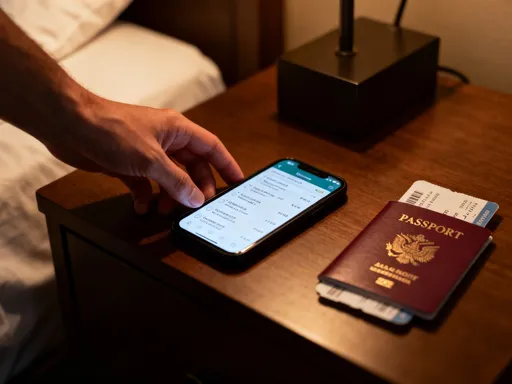
It’s simple. Just before you turn off the lights, open your phone and spend five minutes preparing for tomorrow’s travel. Pull up your calendar and confirm the departure time. Check the weather app for your destination—will you need an umbrella? Is it colder than expected? Open your email and save any important documents—boarding passes, hotel confirmations, rental car details—into a single folder or your digital wallet.
One mom I spoke with swears by this habit. She travels with two young kids and a dog. Every night before a travel day, she spends five minutes with her phone in bed. She adds the ride-share pickup time to her calendar, shares her location with her husband, and double-checks the car seat is packed. “It’s not about doing more,” she says. “It’s about doing one thing so I don’t have to think about ten things in the morning.”
This ritual works because it reduces decision fatigue. In the morning, when you’re half-awake and trying to get everyone fed and dressed, you don’t want to debate what time to leave or whether the hotel has parking. Those decisions are already made. Your phone holds the answers. You just need to set them up ahead of time.
And the best part? It builds confidence. You start to trust yourself more. You feel in control, not because you’re doing more, but because you’ve created a system that supports you. That peace of mind is worth more than any luxury upgrade.
How Smart Folders Keep Your Family on Track
Let’s talk about digital clutter. We’ve all had that moment—scrolling through emails, trying to find a confirmation number, while the taxi waits outside. It’s stressful, and it’s avoidable. The solution? Smart folders.
Think of it like a digital filing cabinet. Create a folder for each trip—“Summer Beach Getaway,” “Winter Ski Trip,” “Cousin’s Wedding in Ohio.” Inside, store everything: flight details, hotel info, rental car bookings, restaurant reservations, even scanned copies of passports or visas. Use your phone’s notes app, a cloud drive, or even a shared email folder. Keep it simple, keep it organized.
Now, here’s where it gets powerful: share it with your family. I know, letting someone else into your digital space can feel risky. But trust me, the payoff is huge. One mother told me how she created a shared folder for their Japan trip and gave access to her 16-year-old daughter. “She checks the train schedules herself now,” she said. “No more me nagging her to get ready. She sees the time, she knows what’s next. It’s like she’s part of the plan, not just along for the ride.”
This isn’t just about convenience. It’s about connection. When everyone has access to the same information, there’s less confusion, less tension, less “Mom, when do we leave?” It creates a sense of teamwork. Your teenager feels trusted. Your partner feels informed. You feel lighter, because you’re no longer the only one holding all the details.
And if someone loses their phone? No problem. Because everything is backed up in the cloud, it’s safe and accessible. You’re not just organizing data—you’re building resilience. That folder is your safety net, your peace-of-mind anchor. And the best part? It takes less than ten minutes to set up.
Weather, Traffic, and Last-Minute Alerts—Let Automation Handle It
Here’s a truth we don’t talk about enough: no matter how well you plan, things change. Flights get delayed. Roads get blocked. Weather shifts. And waking up to surprises is the fastest way to ruin a morning. But what if you didn’t have to worry about that?
Automation can be your early-warning system. And the best part? You don’t need to be a tech expert. Most of this is built into your phone already. For example, turn on flight tracking in your email or calendar. Many services automatically detect flight confirmations and send real-time updates if there’s a delay or gate change. No action needed. Just open your phone, and you know.
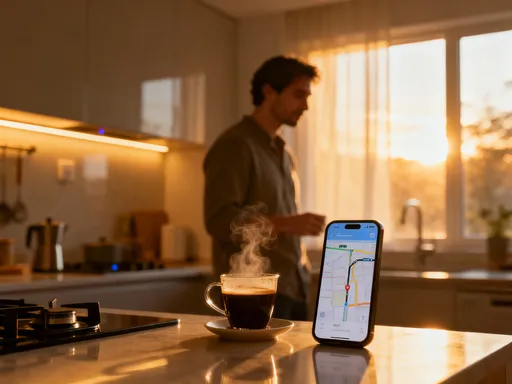
Want to go further? Set up location-based alerts. Use your calendar to create an event for your departure. Add a reminder to notify you 30 minutes before you need to leave—but make it smart. Link it to traffic data. On iOS, you can set a “Leave Now” alert that checks real-time traffic and tells you when to go. On Android, similar features exist through Google Maps integration. You don’t have to guess. Your phone knows the roads better than you do.
One traveler shared how she set up a weather alert for her destination. Every night, she gets a summary: “Pack a light jacket—68°F and partly cloudy.” Another uses a simple voice command: “Hey Siri, when’s my next trip?” and gets a full rundown of flights, hotels, and plans. These aren’t futuristic dreams. They’re free, easy, and available to anyone with a smartphone.
And the emotional benefit? You wake up feeling prepared, not panicked. You’re not chasing information—you’re already ahead of it. That’s the power of automation. It doesn’t make life robotic. It makes life smoother. It gives you back the gift of calm.
From Panic to Peace: Real Stories of Tech-Supported Mornings
Let’s bring this to life with real people, real moments. Because sometimes, the best proof isn’t data—it’s stories.
Take Linda, a business traveler in her fifties. She used to dread early flights. “I’d wake up in a sweat, checking my bag, my phone, my laptop,” she said. “One time, I forgot my presentation on a USB drive. Had to email it last minute. Humiliating.” Then she started using a digital checklist in her notes app. Every night before a trip, she reviews it: passport, charger, presentation, outfit. She even added “breathe” at the bottom. “Now, I go through it once. I take a photo of my packed bag. And I sleep better.” Last month, she made it through security, boarded early, and opened her laptop with a smile. “I felt like a pro,” she said. “Not because I did anything fancy—just because I was ready.”
Then there’s Robert, a retired teacher who travels with his wife. He has a heart condition and takes several medications. “I used to write everything down on paper,” he told me. “But papers get lost. Pills get missed.” Now, he uses his phone’s voice assistant. Every morning, at 8 a.m., it says, “Time for your blood pressure pill.” He’s even set reminders for hydration and walking. “It’s not that I’m forgetful,” he said. “It’s that travel disrupts routine. This keeps me steady.”
And let’s not forget Maria, a single mom of two. She travels for work and family visits. “I used to feel guilty—like I wasn’t doing enough,” she shared. “Now, I use a shared calendar with my kids. They see when I’m coming home. They get alerts when my flight lands. It’s like I’m already there, even before I walk in the door.”
These aren’t tech geniuses. They’re people like you—busy, caring, trying to do their best. And they found peace not through expensive tools, but through simple, consistent habits. That’s the real takeaway: preparedness isn’t about perfection. It’s about progress. It’s about giving yourself the support you deserve.
Building a Travel-Ready Morning Mindset
At the end of the day, this isn’t just about travel. It’s about who you want to be in the world. Do you want to be the person rushing, stressed, apologizing for being late? Or the one who moves with calm, confidence, and presence?
When you use your phone to support your mornings, you’re not just organizing trips. You’re building a mindset—one where you trust yourself, where you feel capable, where you can enjoy the little moments. That sunrise from the train window. The way your child’s eyes light up at the airport. The quiet pride of knowing you’ve got this.
And here’s the beautiful part: every small habit adds up. Saving a boarding pass. Setting a reminder. Sharing a folder. These aren’t just tasks. They’re acts of care—for yourself, for your family, for your peace. You’re not just preparing for a trip. You’re practicing self-respect. You’re saying, “My time matters. My calm matters. My joy matters.”
So tonight, before you sleep, take five minutes. Open your phone. Look at tomorrow. Set one reminder. Save one document. Share one detail. That small act is the beginning of something bigger. It’s the shift from surviving mornings to savoring them.
Because you don’t need a new phone. You don’t need a new life. You just need to use what you have—with a little more intention. And when you do, you’ll find that your phone wasn’t the problem. It was the solution all along.