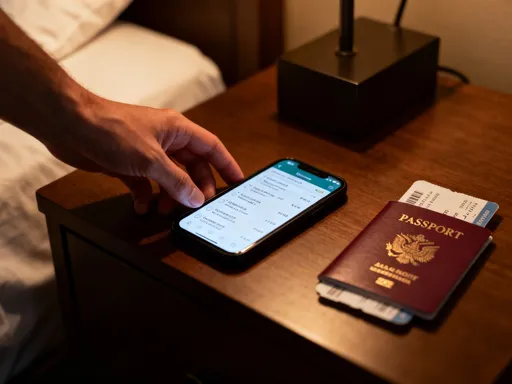
Why are you still overpaying on everyday purchases when apps can save you money silently?
Imagine this: you're standing in the grocery aisle, staring at two similar products, unsure which delivers better value. Or booking a last-minute trip, anxious you’ll miss a cheaper deal. We’ve all been there—overpaying without realizing it. But what if small, smart tools could quietly organize your spending, cut waste, and free up time and energy? That’s exactly what modern price comparison apps do, not just for big purchases, but in the tiny, daily decisions that shape your life. These aren’t flashy gadgets or complicated systems—they’re simple, smart helpers working behind the scenes, giving you peace of mind and a little extra breathing room each month. And the best part? You don’t have to change your life to use them.
The Hidden Cost of Small Purchases
Let’s talk about something we rarely notice—the money that slips through our fingers in everyday choices. Think about your last grocery trip. Did you grab your usual brand of laundry detergent because it felt familiar? Or renew that streaming service just because it was already in your cart? These tiny decisions don’t feel like big deals in the moment, but over time, they add up in ways that can quietly strain your budget. I remember a friend, Sarah, who realized she’d been paying $15 more per month for her phone plan than her neighbor—just because she never checked. That’s nearly $200 a year, lost to inertia.
And it’s not just about the dollars. It’s the mental clutter that comes with wondering if you made the right choice. Did I get the best price? Could I have saved more? That low-level anxiety can wear you down, especially when you're managing a household, kids’ schedules, and your own well-being. The truth is, we’re not overpaying because we’re careless—we’re overpaying because we’re busy. We don’t have time to research every single purchase. But here’s the good news: you don’t have to. Technology has evolved to do the heavy lifting for us, and it’s not as complicated as it sounds. It’s not about cutting out coffee or saying no to treats. It’s about making smarter choices without the effort.
Price comparison apps work by turning invisible overspending into visible savings. They help you see what you’re actually paying versus what’s available, so you can make informed decisions without the guesswork. And once you start using them, you’ll realize something surprising: saving money doesn’t have to feel like a sacrifice. It can feel like clarity. It can feel like freedom. It’s not about pinching pennies—it’s about aligning your spending with your values, so you can spend with confidence on the things that truly matter to you and your family.
How Price Comparison Apps Work Without Disrupting Your Life
Now, I know what you might be thinking: “Another app? Another thing to learn? I don’t have time for this.” And honestly, I used to feel the same way. But here’s the thing—these apps aren’t meant to add to your to-do list. They’re designed to disappear into your routine, working quietly in the background like a trusted friend who just happens to be really good with numbers. Think of it like having a shopping twin—someone who’s always checking prices, watching for sales, and nudging you when there’s a better deal, all while you go about your day.
Most of these tools are surprisingly simple. Some connect to your email and scan your receipts automatically. When you buy something online, the app logs the price and keeps an eye on it. If the item goes on sale later, it alerts you—sometimes even helping you get a refund. Others let you scan a product’s barcode in the store and instantly compare prices across retailers. No more wondering if you’re getting the best deal. And the best part? You don’t have to remember to do anything. The app does the remembering for you.
Some apps even track price trends over time. For example, if you buy a certain brand of olive oil every month, the app learns when it typically goes on sale and reminds you to stock up during those weeks. It’s like having a personal shopping assistant who knows your habits and helps you optimize them. And because they integrate with your phone’s calendar, notifications, and even your banking apps, they fit seamlessly into your life. You don’t have to change how you shop—you just get better results from doing it the same way.
The real magic is in the automation. You set it up once—link your email, connect your loyalty cards, allow notifications—and then it just works. No extra steps, no complicated settings. You live your life, and the app quietly protects your wallet. That’s the kind of technology that doesn’t feel like technology. It feels like relief.
Grocery Shopping Made Effortless
Let’s be honest—grocery shopping can be overwhelming. Between meal planning, picky eaters, and tight schedules, the last thing you need is to stress over which box of cereal is actually the better deal. I remember one Saturday morning, pushing my cart down the cereal aisle, trying to decide between two nearly identical boxes. One was on sale, but the other had a coupon I’d clipped. I stood there, calculator in hand—okay, fine, it was my phone—trying to figure out the unit price. And then I thought, “There has to be an easier way.”
That’s when I started using a grocery comparison app. Now, when I’m in the store, I just open the app, scan the barcode, and it shows me the price per ounce across different brands and stores. It even tells me if the same item is cheaper at a nearby supermarket or available for delivery at a discount. Last week, I saved $8 on my usual haul just by switching one brand and catching a digital coupon I didn’t know existed. That’s enough for a family movie night or an extra tank of gas.
But beyond the savings, what I love most is how it reduces decision fatigue. You know that feeling when you’ve made so many small choices by 10 a.m. that you’re exhausted? Grocery shopping adds to that. But when an app helps you quickly identify the best value, it frees up mental energy for more important things—like planning your daughter’s birthday party or finally starting that book club you’ve been talking about.
These apps also help you spot patterns. For example, I learned that my favorite yogurt goes on sale every six weeks like clockwork. Now, I buy extra when it’s discounted and freeze the cups (yes, you can freeze yogurt!). The app reminds me when it’s time to restock, so I never run out. It’s not just about saving money—it’s about creating a smoother, more organized routine. And when your home runs more smoothly, you feel more in control. That sense of calm is worth more than any discount.
Travel Planning That Actually Saves You Money
Planning a trip should be exciting, not stressful. But how many times have you booked a last-minute weekend getaway only to see the same flight for $50 less a week later? It’s frustrating, and it makes you question every decision. I’ll never forget when my sister booked a family trip to the mountains and found out two days later that the cabin rental had dropped $120 for the same dates. She was devastated. She’d already paid in full.
That’s where travel-focused price comparison apps come in. These tools monitor flight, hotel, and rental prices in real time and alert you if the cost drops after you book. Some even offer price-drop refunds, so you can get money back automatically. I started using one last year when I planned a quick trip to visit my mom. I booked a flight on Tuesday, and on Thursday, the app notified me the price had dropped by $38. I clicked one button, and the difference was refunded to my account. It felt like finding money in an old coat pocket—unexpected and delightful.
But it’s not just about catching price drops. These apps also help you compare options across dozens of sites at once. Instead of spending hours jumping between airline websites and hotel booking platforms, you see everything in one place. Filters let you sort by price, departure time, or even carbon emissions if that matters to you. And because they track historical pricing data, they can tell you whether current rates are high, low, or average for that route.
The emotional benefit is huge. When you’re traveling with kids or aging parents, the last thing you want is financial stress. Knowing you got a fair deal—or even a great one—lets you relax and enjoy the moment. You’re not worrying about overspending. You’re not second-guessing yourself. You’re present. And isn’t that what travel is really about? These apps don’t just save you money—they save you peace of mind.
Managing Subscriptions and Recurring Bills
Here’s a question: when was the last time you reviewed all your monthly subscriptions? Not just the obvious ones like Netflix or Spotify, but the gym membership you joined during New Year’s, the meal kit service you tried once, or the cloud storage plan you upgraded “temporarily”? Most of us don’t even remember everything we’re paying for. I didn’t—until I connected my bank account to a billing tracker app and saw a list of 14 recurring charges. Four of them I didn’t recognize at all.
That’s the sneaky thing about subscriptions—they start small and quietly grow into a major expense. One $7.99 service doesn’t seem like much, but when you have five or six, it’s over $50 a month. That’s $600 a year on things you might not even use. And it’s not just entertainment. Think about your internet, phone, or insurance plans. Have you checked if there are better rates available? Most of us don’t, because it feels like a hassle to call providers or compare options.
That’s where apps that specialize in subscription and bill management come in. They scan your transactions, identify recurring charges, and notify you when a service renews. Some even negotiate better rates on your behalf. I had one app help me reduce my internet bill by $25 a month just by threatening to switch providers—something I’d been meaning to do for over a year but never got around to.
What I love most is how these tools bring clarity. Instead of feeling like your money is disappearing into a black hole, you see exactly where it’s going. You can cancel unused services with one click, pause trials before they convert, and set reminders for annual renewals. It turns financial chaos into calm control. And when you free up that money, you can redirect it toward things that bring real joy—like a weekend getaway, a new kitchen appliance, or saving for your child’s education. It’s not about cutting back—it’s about choosing wisely.
Teaching Teens Financial Awareness Through Shared Tools
Raising financially responsible kids is a goal most of us share, but it’s not always easy to know where to start. I remember when my oldest son wanted to buy his first laptop. He had saved some money from birthdays and odd jobs, but he was overwhelmed by the choices. Should he get the cheaper model with less storage? Was the extended warranty worth it? I could have just told him what to do, but I wanted him to learn how to make smart decisions on his own.
So we downloaded a price comparison app together. We entered the models he was considering, and the app showed side-by-side specs, user reviews, and current prices across retailers. It even highlighted refurbished options that offered the same performance at a lower cost. We spent an evening comparing data, not as parent and child, but as teammates solving a problem. And when he finally bought the laptop—$180 less than his original choice—he felt proud. Not just of the savings, but of the process.
This is how real financial literacy begins—not through lectures, but through hands-on experience. By using these tools together, we started having deeper conversations about value, quality, and long-term thinking. He began applying the same logic to smaller purchases—like headphones or video games—asking, “Is this the best deal available?” instead of just clicking “buy now.”
Sharing these apps also builds trust. It shows our kids that we’re not trying to control their spending—we’re equipping them to make confident choices. And as they grow, these skills become second nature. They learn that being smart with money isn’t about restriction—it’s about empowerment. It’s one of the most valuable gifts we can give them.
Building a More Organized, Peaceful Daily Life
At the end of the day, this isn’t just about saving a few dollars here and there. It’s about creating a life that feels more organized, more intentional, and more peaceful. When you stop overpaying on everyday purchases, you gain more than money—you gain time, energy, and mental space. You’re not constantly second-guessing your choices or worrying about hidden costs. You’re moving through your day with quiet confidence.
These apps don’t make life perfect. They won’t solve every challenge or erase every stress. But they do something powerful: they remove unnecessary friction. They take the guesswork out of spending so you can focus on what truly matters—your family, your passions, your well-being. And that’s a form of self-care many of us overlook.
Imagine a life where your finances feel manageable, where small savings add up without effort, and where technology works quietly in your favor. That’s not a fantasy. It’s possible today, with tools that are free, easy to use, and designed for real life. You don’t need to become a tech expert. You don’t need to change who you are. You just need to let a little smart assistance in.
So the next time you’re in the grocery aisle, planning a trip, or reviewing your bills, remember: you don’t have to do it all alone. There’s a quiet revolution happening in everyday technology—one that’s helping families save, organize, and breathe easier. And it’s already within your reach. All it takes is one small step to begin building a calmer, clearer, more confident financial life.