From Blind Trust to Peaceful Nights: How Car Monitoring Quietly Changed Our Family’s Calm
You know that moment—when your child takes the car for the first time, or your teen heads out on a rainy night? Your mind races, even if you don’t say it. I used to lie awake, wondering where they were, how they were driving, hoping for the best. Then we started using vehicle safety monitoring—not as a way to spy, but to breathe easier. It didn’t just track the car; it brought clarity, trust, and a new kind of family closeness. What began as a simple idea—knowing they made it home safely—slowly transformed the way we connect, care, and calm our worries. This isn’t about control. It’s about peace. And it’s changed everything.
The Unseen Worry: When Love Keeps You Awake
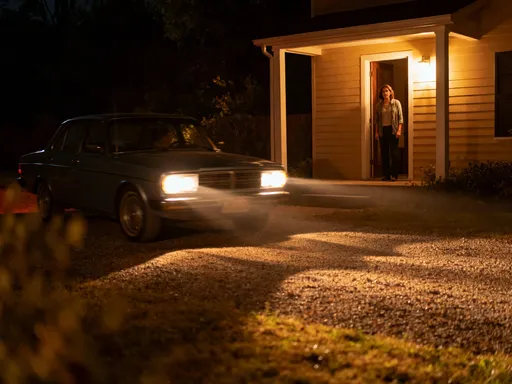
It’s 10:47 p.m. The house is quiet. The dishes are done. You’re finally sinking into the couch, ready to unwind, when you hear it—the soft click of the front door, followed by the gentle hum of the car starting up. Your youngest is heading out. Maybe it’s for a late shift at the diner, or to pick up a friend from practice, or just to clear their head after a long week. Logically, you know they’re responsible. They’ve passed driver’s ed, they’ve driven this route a hundred times, and you’ve had the talks about seatbelts, speed limits, and texting behind the wheel. But still—your heart does that little skip. That familiar flutter of worry that sneaks in when love and fear share the same space.
I remember the first time my daughter took the car out alone. She was 16, confident, excited. I stood in the driveway, waving like everything was fine. But the second she turned the corner, I went straight to the kitchen window. I watched until her taillights disappeared. That night, I didn’t sleep. Every siren in the distance made me sit up. Every creak in the house felt like a warning. And when she finally walked in at 11:30, safe and smiling, I hugged her tight and said nothing. But inside, I was thinking: What if she hadn’t come home? That fear didn’t go away after one night. It became a pattern—this silent, heavy weight I carried every time a family member drove after dark.
And I know I’m not alone. So many of us carry this invisible load. We don’t talk about it much, but it’s there—the late-night check of the driveway, the way we listen for the garage door, the way we pretend not to notice the clock when someone’s running late. We want to trust. We do. But trust without information can feel like standing on a ledge, arms out, hoping the wind doesn’t shift. That’s where technology stepped in—not to replace trust, but to support it. Not to watch, but to witness. And in that small shift, something beautiful began to happen.
Lights On, Fears On: What Happens After Dark
Darkness changes everything. The roads look different. The shadows play tricks on your eyes. A familiar street feels longer, quieter, more exposed. And for parents, caregivers, or anyone who loves a driver, nighttime travel brings a unique kind of tension. It’s not just about the increased risk—though studies show nighttime driving carries higher accident rates due to reduced visibility, fatigue, and impaired drivers. It’s about the unknown. It’s about not knowing why they’re out, how they’re feeling, or what might be happening on the road.
Take my son, for example. He started working part-time at a grocery store that closed at 10:30 p.m. Every night, he’d drive home under dim streetlights, sometimes in the rain, sometimes in fog. I knew his route. I’d driven it with him. But knowing the path didn’t stop the questions: Was he tired? Was he rushing? Did he take that shortcut near the construction zone? I’d text him—just a “got home?”—but waiting for a reply felt like forever. And when he didn’t answer right away, my mind would race through every possible scenario, none of them good.
Then there was my sister, who began driving her aging mother to medical appointments. Her mom still had her license, still loved her independence, but the night drives worried her. Slower reflexes, less confidence in bad weather—these were real concerns. But bringing them up felt like an attack on her mother’s dignity. So she stayed quiet, and the worry built. This is the thing about nighttime driving: it’s not just about the person behind the wheel. It’s about everyone waiting at home, hearts tied to headlights, hoping for a safe return.
What we all needed wasn’t more rules or restrictions. We needed context. We needed to know not just where our loved ones were, but how they were doing. Because the real problem wasn’t the driving itself—it was the silence that followed. The unanswered questions. The stories we told ourselves in the dark. That’s when we realized: we weren’t looking for control. We were looking for connection. And that’s exactly what modern vehicle monitoring offers—not surveillance, but shared awareness.
From Guessing to Knowing: The Shift in Awareness
The first time I saw my daughter’s trip log, I felt a mix of guilt and relief. Guilt, because part of me wondered: Am I crossing a line? Relief, because there it was—clear, calm, factual. She’d left at 8:12 p.m., driven steadily at 45 mph on the main road, slowed in the rain near the school zone, and arrived home at 8:48. No sudden stops. No sharp turns. No speeding. Just a careful, thoughtful drive. And just like that, the hours of imagined disasters—the skidding, the near-misses, the calls from the hospital—melted away.
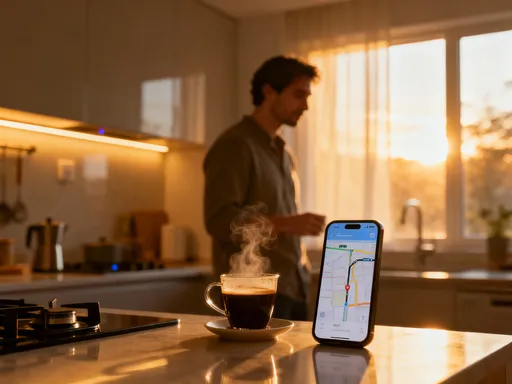
That’s the power of knowing. It doesn’t eliminate risk—that’s not its job. But it replaces fear with facts. Instead of guessing, you see. Instead of assuming the worst, you witness the truth. And that changes everything. We started using a simple vehicle monitoring system—not the kind with cameras or constant tracking, but one that gave us basic, respectful insights: real-time location, speed alerts, trip history, and geofencing (which lets you know when someone arrives at or leaves a set location, like home or school).
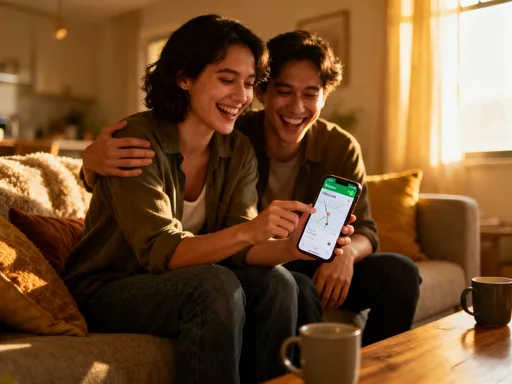
For my nephew, who just got his license, it’s been a game-changer. His parents don’t call every five minutes asking where he is. Instead, they check the app once, see he’s on route, and go back to dinner. When he got caught in traffic after a concert, his mom saw the delay on the map and texted: “No rush, we see you’re stuck. Drive safe.” He said it was the first time he didn’t feel nagged—just cared for. That’s the shift: from suspicion to support. From “Where are you?” to “We see you.”
And here’s the surprising part—our kids didn’t hate it. In fact, most of them welcomed it. My daughter said, “If it helps you sleep, Mom, I’m fine with it.” My son added, “It’s like having a co-pilot who doesn’t talk.” That’s when it hit me: this wasn’t about watching them. It was about including them in our peace of mind. We weren’t hiding our worry anymore. We were sharing a tool that helped everyone feel safer. And in that openness, trust grew deeper, not weaker.
A Tool That Talks Without Words
One of the hardest parts of parenting teens is the communication gap. You want to be involved, but not intrusive. Concerned, but not controlling. You ask, “How was your drive?” and they say, “Fine,” and you’re left wondering what “fine” really means. But what if the car could help you talk—without adding pressure or starting an argument?
That’s exactly what happened in our house. Instead of starting with, “Why were you speeding?” I could say, “I saw you hit 50 in a 35—was everything okay?” And that small shift changed the conversation. It wasn’t an accusation. It was concern, backed by data. One night, my daughter took a different route home. The app showed a detour. Instead of panicking, I waited. When she walked in, I said, “You took the back road—was there traffic?” She smiled and said, “Yeah, there was an accident on Main. I remembered you telling me about that shortcut. Thanks, Mom.” That moment wasn’t about the app. It was about feeling seen, supported, and trusted to make good choices.
For families with aging drivers, this quiet communication can be even more powerful. My cousin uses the system for her dad, who still drives but sometimes forgets where he’s going. Instead of confronting him about getting lost, she checks the route and gently says, “Dad, I saw you went to the mall earlier—did you find what you needed?” It’s not about taking away his independence. It’s about keeping him safe while honoring his dignity. The data becomes a bridge, not a barrier.
And here’s what I’ve learned: technology doesn’t replace conversation. It prepares us for better ones. When we come from a place of knowing, not guessing, our words carry more care and less fear. We stop asking, “Who were you with?” and start saying, “I’m glad you made it through the storm.” That’s the real magic—not the tracking, but the tone it creates. A tone of teamwork. Of “we’re in this together.”
Building Smarter Habits, One Night at a Time
Change doesn’t happen overnight. Neither do better driving habits. But what I’ve noticed is this: when people know their driving is being seen—not judged, but witnessed—small improvements start to happen. My son used to speed a little on the highway. He didn’t realize how often until he saw the weekly report. “Huh,” he said, “I didn’t think I was going that fast.” We looked at it together, no blame, just curiosity. The next week, his average speed was down. Not because we punished him. Because he saw it. And once you see your own patterns, you can’t unsee them.
That’s the quiet power of feedback. It doesn’t scream. It shows. And over time, it shapes behavior in the gentlest way. My niece started using the app when she got her license. At first, she ignored the alerts. But after a few weeks, she told her mom, “I actually like seeing the trip summary. It makes me feel like I’m doing a good job.” That’s growth. That’s responsibility. And it didn’t come from a lecture. It came from awareness.
Families who use these tools consistently start to notice patterns—not just in speed or routes, but in timing. One mom realized her daughter always drove late on Sundays, stressed about school. They talked. They adjusted the schedule. Now, she leaves earlier, drives calmer, arrives happier. Another family noticed their son kept driving through a high-risk intersection late at night. They didn’t ban it. They just asked, “Is there another way?” He found one. No rules. No fights. Just better choices, made with support.
This isn’t about perfection. It’s about progress. About helping our loved ones become safer, more mindful drivers—not because they’re being watched, but because they’re being cared for. And that care, shown through quiet attention, plants seeds of responsibility that grow over time.
More Than Safety: The Unexpected Gift of Calm
The biggest change wasn’t in the driving. It was in the home. When I stopped lying awake, wondering, I started sleeping. And when I slept, I became a better mom. I was less tense at dinner. I laughed more. I wasn’t scanning the driveway every five minutes. I was present. And that presence made a difference—not just for me, but for everyone.
My husband noticed it first. “You’re quieter,” he said. “In a good way.” I realized I wasn’t carrying that low hum of anxiety anymore. And when I wasn’t stressed, our whole household felt lighter. We started using the app as a connection point. A simple “Saw you got home safe. Love you” text became our new ritual. No drama. No interrogation. Just love, delivered quietly.
For families with teens, this calm can transform relationships. One friend told me her daughter now texts her first when she arrives somewhere: “Mom, I’m here. You can check the app if you want.” That’s trust. That’s connection. That’s a kid saying, “I know you care, and I care back.”
And for those of us caring for older drivers, the peace is just as deep. Knowing they’re on route, moving steadily, arriving on time—it lifts a weight we didn’t even know we were carrying. We’re not hovering. We’re holding space. And in that space, love flows more freely.
A New Kind of Family Care: Quiet, Constant, Clear
At its heart, vehicle safety monitoring isn’t about technology. It’s about love. It’s about saying, without words, “You matter to me. Your safety matters. I care enough to pay attention.” In a world that feels louder and faster every day, this quiet form of care stands out. It doesn’t demand. It supports. It doesn’t control. It connects.
We used to think protection meant holding on tight. Now we’re learning it can also mean letting go—with eyes open. We can trust more deeply because we understand more clearly. We can give freedom without fear, because we have a way to share in each other’s journeys.
This tool didn’t make us perfect parents or perfect caregivers. But it made us more present. More peaceful. More able to love without worry ruling the night. It didn’t replace our instincts—it strengthened them. And in the end, that’s what every family wants: to feel close, to feel safe, to feel calm.
So if you’re lying awake tonight, listening for headlights, wondering if they’re okay—know this: you’re not alone. And there’s a gentler way. One that brings answers, not anxiety. Connection, not control. Peace, not panic. Because sometimes, the most powerful thing we can do for the people we love is simply to see them—and let them know we’re still here, watching in the kindest way possible.