It’s Not Just a Gadget: How Smart Upgrades Quietly Transformed My Home Life
Living in a home that feels just right—calm, intuitive, and effortlessly organized—used to seem like a dream. I’d spend mornings tripping over cords, forgetting to turn off lights, or coming home to a stuffy, cold house. Then I started making small, thoughtful smart home upgrades—not for the tech buzz, but because I wanted peace. What surprised me? These changes didn’t just save time. They brought a sense of ease, safety, and connection I didn’t know I was missing. This is how smart living quietly made my days better.
The Morning Chaos That Started It All
Remember those mornings when you're already behind before you even leave the house? That was me—rushing from the bedroom to the kitchen, one sock on, trying to find my keys while the dog barked and the coffee pot sat empty. I’d grab my coat only to realize the heater had been blasting all night because I forgot to turn it down. Or I’d walk into a dark hallway and stub my toe—again—because I couldn’t find the switch in the dark. It wasn’t one big disaster. It was a thousand tiny frustrations, piling up like laundry I never seemed to fold.
Then came that rainy Tuesday. I woke up late, the sky still dark at 7:30 a.m., and shuffled into the kitchen. The house was freezing. I fumbled with the thermostat, my fingers stiff from the cold, and thought, Why does my home feel like it’s working against me? It dawned on me then: my house was just a structure. It didn’t know my routine. It didn’t care if I was tired, late, or trying to make breakfast with one hand while holding a crying toddler with the other. That moment changed everything. I didn’t want a futuristic showpiece. I wanted a home that helped. That supported me instead of adding to the noise. And so, very quietly, I began to make changes—small ones, at first—because I was done with the daily chaos.
What I’ve learned since is that transformation doesn’t have to be dramatic. You don’t need to renovate or spend a fortune. Sometimes, it’s just about giving your home a little intelligence—enough to make your life a little softer, a little simpler. And honestly? It started with something as simple as a plug.
Starting Small: Smart Plugs That Gave Me Back Time
If you’re like me, the word “smart home” probably made you think of complicated wiring, confusing apps, or gadgets that cost more than your couch. I thought it was all for tech geeks, not someone like me who just wanted to stop forgetting to turn off the living room lamp. But then I tried a smart plug—and it was such a tiny change that made a huge difference. No drilling, no rewiring. Just plug in a lamp, plug the smart plug into the wall, and connect it to your phone. That’s it.
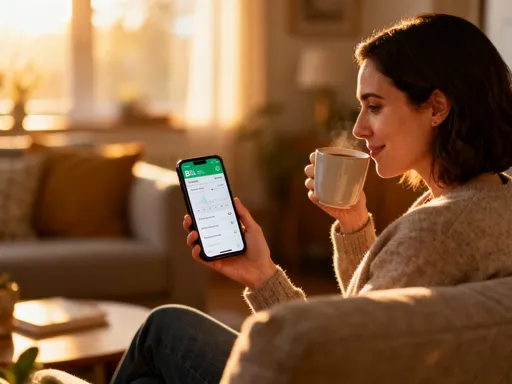
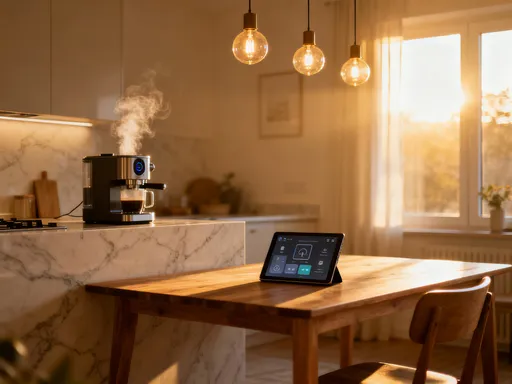
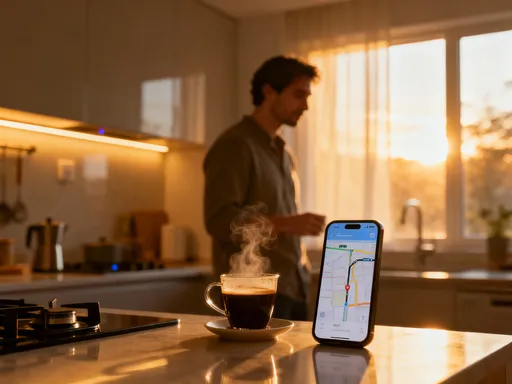
I started with my coffee maker. I set it to turn on at 7 a.m. every weekday. Now, I wake up to the smell of fresh coffee, not the panic of realizing I’m late and haven’t even turned it on. That small ritual changed my mornings. I’m not rushing around in a caffeine-deprived haze. I have a moment—just one—to breathe, wrap my hands around a warm mug, and feel like I’m starting the day with a little grace.
I also used smart plugs for my space heater in the guest room. Before, I’d forget to turn it off, and it would run all day while no one was there. Now, I schedule it to turn on 30 minutes before guests arrive and shut off an hour after they leave. I’ve seen a noticeable drop in my energy bill—nothing crazy, but every dollar counts, right? And more than the savings, I love that I don’t have to worry. I can turn things off from bed, from the grocery store, even from my daughter’s soccer game. It’s like having a little helper who remembers what I forget.
When I first set them up, I was nervous about the app. But most brands have simple interfaces—think of them like remote controls for your outlets. I chose a well-known brand with good reviews and strong security, because I didn’t want anything sketchy connecting to my home network. And I made sure to name each plug clearly—“Living Room Lamp,” “Coffee Maker”—so I wouldn’t accidentally turn on the wrong thing. (Yes, that happened once. I turned on the bathroom fan at 2 a.m. and scared myself half to death.)
The real gift of smart plugs isn’t the tech—it’s the time and peace of mind. Those little moments when you’re not double-checking if you turned something off? They add up. And when you’re a busy woman juggling work, family, and a thousand mental to-dos, getting even five minutes back in your day feels like a win.
Lighting That Follows My Mood, Not My Schedule
Let’s talk about lighting. For years, I lived with harsh overhead lights that made everything look flat and uninviting. Evening movie nights? Felt like a hospital waiting room. Cozy dinner with my husband? More like a fluorescent interrogation. I didn’t realize how much the lighting in my home affected my mood until I tried smart bulbs.
I started with the living room. I replaced two of the bulbs with smart ones—enough to make a difference without overdoing it. I could change the color, brightness, and even schedule them. The first thing I did? Set a morning routine where the lights slowly brighten at 6:45 a.m., mimicking sunrise. No more jolting awake to a dark room. Now, it feels like the house is gently saying, “Good morning. You’ve got this.”
In the evenings, I set the lights to warm, soft tones—like candlelight or sunset. I call it my “wind-down” setting. I can activate it with a tap on my phone or a voice command. Sometimes, I even sync it with calming music. The difference is subtle but powerful. My kids calm down faster. My husband puts his phone down more often. And I feel… lighter. Like the house is helping me transition from the chaos of the day to a more peaceful state.
Setting them up was easier than I expected. Most smart bulbs work with Wi-Fi and common apps. I didn’t need an electrician—just a ladder and five minutes. I did learn one thing the hard way: not all smart bulbs work with dimmer switches. So if you have older fixtures, check compatibility first. Also, I recommend starting with one room. See how you like it before replacing every bulb in the house.
What I love most is how lighting can match my energy. Need focus while helping the kids with homework? Crisp, cool white light. Want to relax with a book? Soft amber glow. It’s like having a mood ring for your home. And honestly, after years of living under soulless ceiling lights, this feels like a small luxury I didn’t know I deserved.
A Smarter Thermostat That Learned Me
Here’s a confession: I used to leave the heat on all day, even when no one was home. I told myself it was for the dog. But really, I just didn’t want to come back to a cold house. The downside? My energy bills were higher than I wanted, and I felt a little guilty about wasting energy. Then I got a smart thermostat—and it changed everything.
This isn’t just a digital display with a timer. This thing learns. I didn’t have to program a schedule. I just used it normally for a week—turning it up when I was cold, down when I was warm—and it started to notice patterns. Now, it knows when I usually get up, when the kids leave for school, when we come home. It adjusts the temperature automatically. When we’re out, it turns down the heat. When we’re on our way back, it warms things up so the house is cozy by the time we walk in.
One of my favorite features? Geofencing. That means it uses my phone’s location to know when I’m leaving or coming home. So if I forget to adjust it before running errands, it doesn’t matter. The house “knows” I’m gone and saves energy. And when I’m driving back from the store, it starts warming up—like it’s getting ready to welcome me.
I was worried it would feel invasive, like Big Brother watching me. But it’s not like that at all. It’s more like having a thoughtful housemate who pays attention. I still have full control. I can override it anytime. And I can check the temperature from my phone—super helpful when I’m wondering if the house is too hot for the dog.
Since installing it, my heating bills have gone down by about 15%. That’s not a huge number, but it adds up over time. More importantly, I don’t have to think about it anymore. No more guessing if I turned it down before leaving. No more walking into a freezing house after work. The comfort is consistent, quiet, and effortless. And that, my friend, is worth every penny.
Voice Control: Not for Show, But for Simplicity
I’ll admit it—I laughed the first time I said, “Hey, turn on the kitchen lights.” It felt silly. Like I was talking to thin air. But then I was in the kitchen, hands covered in spaghetti sauce, trying to find the light switch without making a mess. I said it again—“Hey, turn on the lights”—and boom, they came on. No touching, no wiping my hands first. Just… done.
That moment changed my mind. Voice control isn’t about showing off fancy tech. It’s about those real-life moments when your hands are full, your arms are loaded, or you’re just too tired to get up. Now, I use it all the time. “Hey, set a timer for 15 minutes.” “Play my evening playlist.” “What’s the weather tomorrow?” It’s like having a helpful assistant who never complains and always remembers.
I started with a smart speaker in the kitchen—the heart of my home. It connects to my lights, thermostat, and even my coffee maker. I didn’t have to learn complicated commands. I just talk to it like a person. “Make it warmer in here.” “Turn off the living room lights.” It understands me, even when I’m half asleep or the kids are yelling in the background.
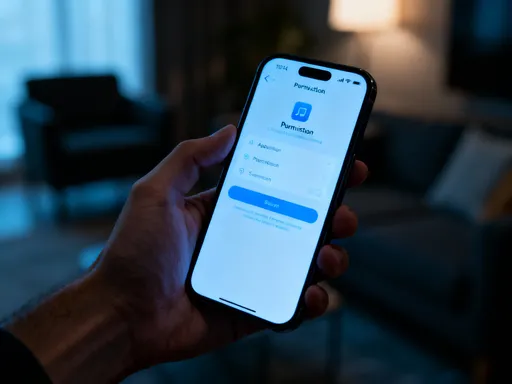
One thing I was nervous about? Privacy. I didn’t want something always listening. But I’ve learned that these devices only activate when they hear the wake word—like “Hey” or “Alexa.” And you can mute the microphone anytime with a button. I also reviewed the privacy settings and turned off data sharing. Now, I feel safe using it without worry.
My kids love it too. They ask it to tell jokes, play games, or read bedtime stories. It’s become part of our routine—calm, fun, and surprisingly comforting. And for me? It’s one less thing to manage. One more way my home supports me, quietly and kindly.
Security That Brings Peace, Not Paranoia
I didn’t get a smart doorbell camera because I was afraid of crime. I got it because I wanted to feel connected to my home when I was away. My dog, Max, gets anxious when left alone. I used to worry—was he barking? Was he okay? With the camera, I can check in anytime. I just open the app, see him napping on the couch, and breathe a little easier.
The doorbell camera has been a game-changer too. I don’t always hear the doorbell, especially when I’m in the basement or on a call. Now, when someone rings, I get a notification on my phone. I can see who’s there and even talk to them—like when the delivery driver needed to leave a package at the side door. I said, “Yes, please leave it there,” through the speaker, and it felt like magic.
I was careful about where I placed the cameras. I wanted coverage, but I also respected privacy—mine and my family’s. I didn’t put them in bedrooms or bathrooms, obviously. Just common areas: the front door, the living room, the back patio. And I made sure everyone in the house knew they were there. It’s not about surveillance. It’s about peace of mind.
I also chose a system with local storage and strong encryption, so my footage isn’t floating around in the cloud. I didn’t want some random server holding videos of my family walking around in pajamas. And I set up activity zones—so I only get alerts when someone approaches the front door, not every time a squirrel runs across the yard.
One night, I got an alert that someone was at the back gate. I checked the camera and saw it was my teenage son, who’d forgotten his key. I let him in through the app and unlocked the door remotely. No yelling, no waking the baby. Just a quiet, seamless moment. That’s when I realized: this isn’t about fear. It’s about connection. It’s about knowing your home is safe, and you’re never really far from it.
How These Changes Added Up to a Calmer Life
Looking back, none of these upgrades were life-changing on their own. A smart plug here, a bulb there, a thermostat—each one small. But together? They created a home that feels alive in the best way. It anticipates my needs. It reduces the noise. It gives me back time, energy, and mental space.
I don’t have a fully automated house. I don’t have robot vacuums or smart fridges (yet). But I have something better: a home that feels like it’s on my side. It doesn’t demand attention. It doesn’t add complexity. It just… helps.
What I’ve gained isn’t just convenience. It’s calm. It’s the ability to slow down, to enjoy moments instead of rushing through them. It’s knowing I can check on my dog from work. It’s waking up to gentle light instead of a blaring alarm. It’s turning on the lights without getting out of bed. These aren’t luxuries. They’re small acts of care—ones I now give myself every day.
Smart home tech isn’t about chasing the latest gadget. It’s about creating a space where you can breathe, where you feel safe, supported, and a little more in control. It’s for the woman who’s tired of juggling too much, who wants to come home to peace instead of more to-dos. It’s for you.
So if you’ve been curious but hesitant—if you thought this was for someone else—let me say this: start small. Try one thing. A plug. A bulb. See how it feels. You don’t need to do it all at once. Just take that first step. Because sometimes, the quietest changes make the loudest difference.