More Than Connection: How Online Groups Gave My Parents a New Lease on Life
Living far from home, I used to worry constantly about my parents—lonely, stuck in routine, and slowly withdrawing from the world. Then they joined a few simple online interest groups. What started as casual clicks turned into daily joy: my mom now bakes with a virtual cooking club, and my dad debates classic films with strangers who feel like family. This isn’t just tech—it’s lifelines, laughter, and a second wind for the golden years. I remember calling one evening and hearing laughter in the background, not from the TV, but from a live voice chat my mom was in with women from three different countries, all trading banana bread recipes. That moment changed everything for me. It wasn’t just about staying busy—it was about belonging.
The Quiet Loneliness Behind Closed Doors
Before the online groups, my parents’ days followed the same quiet rhythm. Mornings began with the same cup of tea, the same news channel, the same silence. I’d call every Sunday, and while they always said they were fine, I could hear the emptiness in the background. No music. No visitors. Just the occasional clink of a spoon against a cereal bowl. They weren’t sick or in crisis, but something was missing—the kind of energy that comes from connection. I later learned this is more common than we admit. Studies show that loneliness in older adults can be as harmful to health as smoking fifteen cigarettes a day. It weakens the immune system, increases the risk of heart disease, and can deepen feelings of anxiety and depression. But here’s the thing: it’s not always about being alone. My parents had each other, and they lived in a nice neighborhood with friendly neighbors. Yet, their social circle had quietly shrunk over the years—friends moved, passed on, or simply stopped reaching out. Hobbies like gardening or painting had been set aside, not because they lost interest, but because doing them alone didn’t feel meaningful anymore. The world outside their front door felt bigger and more intimidating with each passing year. What I didn’t realize then was that they weren’t just missing people—they were missing purpose. They needed a reason to get excited about the day, a reason to put on their favorite sweater and sit up a little straighter. That reason, it turns out, was just a few clicks away.
A Simple Click That Changed Everything
The shift began when I spent a weekend visiting and helped them set up a tablet. I wasn’t trying to revolutionize their lives—just make video calls easier. But while I was showing them how to use the camera, I stumbled upon a community app I’d heard about: a friendly platform where people join groups based on interests, not age. I found one called ‘Sunday Bakers,’ where members shared photos of their latest homemade treats and gave gentle, kind feedback. I showed it to my mom, who had baked for church events for decades but hadn’t made a cake in years. ‘You should join,’ I said. She laughed. ‘Who would care about my cookies?’ But I clicked ‘Join’ anyway, uploaded a picture of her famous oatmeal raisin cookies, and within hours, the responses poured in. ‘These look like love on a plate!’ one woman wrote. ‘Can you share the recipe?’ asked another. My mom read each message slowly, her eyes widening. That night, she dug out her old recipe box and made a fresh batch just to take a better photo. That single click didn’t fix everything overnight, but it cracked open a door. My dad, who had been quietly watching, asked me later, ‘Is there a group for people who like old movies?’ I found one called ‘Golden Era Film Buffs,’ and he joined the next day. At first, he just read the posts. But then he commented on a thread about Hitchcock’s use of suspense, and someone replied, ‘You nailed it!’ That small exchange sparked something. Soon, he was looking forward to logging in, not because I told him to, but because he wanted to. It wasn’t the technology that changed things—it was the feeling of being seen, heard, and valued again.
Rediscovering Passions They’d Forgotten
One of the most beautiful side effects of these online groups was how they brought old passions roaring back to life. My mom, who hadn’t baked in years, now plans her week around the ‘Bake of the Week’ challenge. She experiments with new ingredients, watches tutorial videos recommended by the group, and even started a small tradition of delivering her extra treats to neighbors—something she hadn’t done since my childhood. But it wasn’t just baking. She found a watercolor painting group and, after decades, pulled out her old paints. I’ll never forget the first photo she shared: a simple apple on a table, painted with shaky but joyful strokes. The group responded with such warmth—‘You have a natural eye!’—that she painted another the next day. My dad, meanwhile, joined a photography group focused on nature walks. He never considered himself a photographer, but the group encouraged members to share ‘one beautiful thing they saw today.’ He started taking his camera on short walks around the neighborhood. At first, it was just close-ups of flowers or birds at the feeder. But over time, his photos got more confident, more creative. He learned how to adjust lighting from tips in the group and even printed a few favorites to hang in the living room. What moved me most wasn’t the skills they were gaining, but the light in their eyes when they talked about their projects. It was the same spark I remembered from when I was a kid—the joy of creating, of sharing, of being part of something. These weren’t just hobbies; they were acts of self-renewal. And the best part? They didn’t have to go anywhere to find them. The world came to them, gently, through the screen.
Building Friendships Without Leaving Home
One of the biggest myths about older adults and technology is that they don’t want to connect online—that it’s too impersonal, too cold. But what I’ve seen is the opposite. These digital spaces aren’t replacements for real relationships; they’re doorways to them. My parents’ online groups aren’t filled with faceless usernames. They have nicknames, inside jokes, and regular check-ins. In my mom’s baking group, members start each week with a ‘Hello from my kitchen!’ post. They share not just recipes, but stories—about family, memories, even losses. When one woman shared that she was baking her late husband’s favorite pie, the responses were full of empathy and shared recipes. My dad’s film group has a ‘Movie Memory Monday,’ where members talk about the first film they ever saw in theaters. He wrote about seeing *Ben-Hur* with his father and was touched when several people replied with their own father-son movie stories. These aren’t fleeting interactions. They’ve become part of their weekly rhythm. My mom has a favorite group member in New Zealand she calls ‘my baking buddy,’ and they exchange voice messages every Sunday. My dad looks forward to the monthly live watch party, where the group streams an old classic and chats in real time. He wears his favorite sweater and makes popcorn, just like he’s hosting guests. The beauty of these connections is that they’re low-pressure. No need to dress up, drive anywhere, or worry about being ‘on.’ They can participate as much or as little as they like. And because the groups are interest-based, the conversations flow naturally. It’s not small talk—it’s deep, meaningful exchange. They’re not just passing time; they’re building friendships that matter.
Families Closer Through Shared Digital Worlds
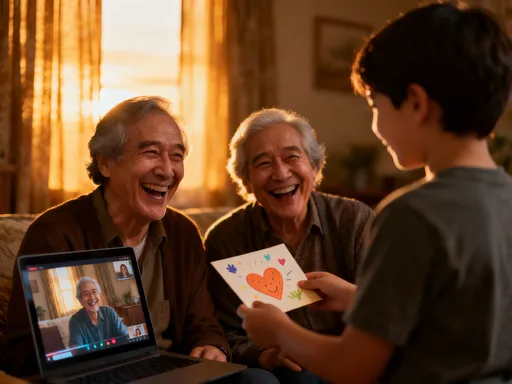
What surprised me most was how these online groups brought our whole family closer. At first, I thought it was just about my parents staying busy. But soon, we started sharing their digital world. My kids love hearing about Grandma’s latest baking disaster (the lavender shortbread that tasted like soap) and her triumphs (the perfect sourdough on the third try). One evening, my daughter joined a storytelling thread in my mom’s group, writing a short poem about a magical cookie jar. The group members loved it, and suddenly, my mom had something exciting to share about her granddaughter. My brother, who lives across the country, started co-hosting a virtual game night with my dad and his chess group. They use a simple online board, and now it’s their weekly ritual. It’s not just about the game—it’s about the laughter, the teasing, the ‘Remember when I beat you in three moves?’ moments. Even our family group chat has changed. Instead of just sending photos of vacations or holidays, we now share snippets from their group activities. ‘Dad just won the nature photo contest!’ or ‘Mom’s banana bread got 50 likes!’ These aren’t just updates—they’re invitations to celebrate together. Technology, which once felt like a barrier between generations, has become a bridge. I no longer feel guilty about living far away. When I see my parents’ faces light up during a video call with their group, or hear them planning their next project, I know they’re not just surviving—they’re thriving. And that changes everything for me, too. It’s not just about staying in touch. It’s about sharing a richer, more joyful version of their lives—one that includes all of us.
Overcoming Fears: From “I Can’t Do This” to “Wait Until You See What I Made”
Of course, it wasn’t all smooth sailing at the beginning. My parents had their doubts. ‘I’ll break the tablet,’ my mom said the first time I handed it to her. ‘What if I press the wrong thing?’ My dad worried about privacy. ‘Who’s going to see my comments?’ These fears are real and common. Many older adults hesitate to try new technology not because they’re resistant, but because they don’t want to feel foolish or overwhelmed. The key, I learned, wasn’t to rush them. It was to go slow, to celebrate tiny wins, and to make it feel safe. We started with one app, one group, one simple task. I showed them how to log in, how to post a photo, how to reply to a message. I wrote down the steps on a big notecard and taped it to the fridge. When my mom accidentally deleted her first post, I didn’t fix it for her. I sat with her while she recreated it, and when she did, she beamed. ‘I did it myself!’ That moment was bigger than any tech tutorial. It was about confidence. We chose platforms that were known for being welcoming and easy to use—no complicated menus, no confusing jargon. The groups were moderated, respectful, and full of patient members who remembered what it was like to be new. I also helped them adjust the text size, turn on voice commands, and set up automatic updates so they wouldn’t get stuck. But the most important thing I did was stay present—not to control, but to support. Now, when my mom says, ‘Wait until you see what I made,’ it’s not just about the cookies. It’s about pride, independence, and the joy of learning something new at any age. And when my dad says, ‘I figured out how to upload a video,’ I don’t just hear tech progress. I hear hope.
A Fuller Life, One Click at a Time
Looking back, I realize we weren’t just teaching my parents how to use a tablet. We were helping them reclaim a part of themselves they thought they’d lost. The online groups didn’t give them a new life—they gave them back their old one, with more color, more connection, more meaning. They’re not just less lonely; they’re more alive. They laugh more. They plan more. They create more. And in turn, our family feels more connected than ever. This isn’t about technology for technology’s sake. It’s about using tools that serve the heart. It’s about finding ways to stay curious, to keep growing, to feel needed and appreciated—no matter your age. These digital communities offer something precious: a space where age doesn’t define you, but your interests do. Where a shared love of gardening or classic films or baking can spark real friendship. Where you can be shy, take your time, and still belong. For anyone with older loved ones who seem to be fading into the background, I’d say this: don’t assume they’re fine just because they say so. And don’t assume technology is too hard for them. Start small. Find one interest. Join one group. Sit with them, laugh with them, celebrate the little things. Because sometimes, a single click can open a world. And in that world, there’s joy, there’s friendship, and there’s a beautiful reminder that it’s never too late to start again. My parents’ golden years aren’t just quiet and safe—they’re bright, bold, and full of life. And that, to me, is the greatest gift of all.